


Where is the location of the arterial sinus?
Nov 26, 2025
Source: Cainiu Health

Dr. Wang Lei
Introduction
Under normal circumstances, the carotid sinus refers to the dilated portion at the terminal end of the common carotid artery and the beginning of the internal carotid artery, located on both sides of the neck. To protect the function of the carotid sinus, avoid severe external impacts or excessive pressure on the neck. In daily attire, avoid wearing tight collars to reduce compression on neck blood vessels. Maintain regular sleep patterns and a balanced diet.
Under normal circumstances, the arterial sinus usually refers to the carotid sinus, which is the dilated portion at the terminal end of the common carotid artery and the beginning of the internal carotid artery, located on both sides of the neck. The specific analysis is as follows:
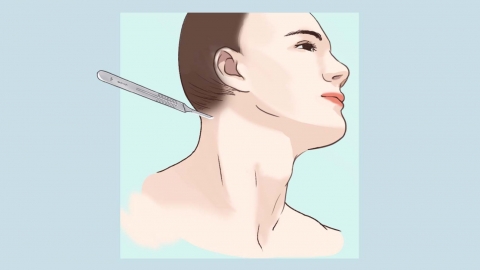
The arterial sinus is primarily situated on both sides of the neck at the terminal end of the common carotid artery and the origin of the internal carotid artery. It is a region of the blood vessel wall containing baroreceptors—specialized sensory nerve endings that detect changes in blood pressure. The wall in this area is relatively thin and rich in nerve endings, capable of sensing fluctuations in blood pressure and transmitting signals to the central nervous system. This triggers regulatory responses such as adjusting heart rate and vascular tone to maintain stable blood pressure. When blood pressure rises, stimulation of the arterial sinus initiates a reflex that slows the heart rate and dilates blood vessels, thereby lowering blood pressure; conversely, when blood pressure drops, the opposing mechanism is activated to ensure circulatory balance.
To protect the function of the arterial sinus, avoid strong external impacts or excessive compression to the neck. In daily life, wear clothing with loose-fitting collars to minimize pressure on the neck's blood vessels. Maintain regular sleep patterns and a balanced diet to prevent drastic blood pressure fluctuations that could impair the sinus’s regulatory capacity. Engage in appropriate aerobic exercise to strengthen cardiovascular function, monitor your blood pressure regularly, and seek medical attention promptly if symptoms such as dizziness or palpitations occur, thus providing a stable working environment for the arterial sinus.



