


Will allergic rhinitis improve if I change my living environment?

In general, whether allergic rhinitis will improve after changing living environments depends on the specific allergens and the conditions of the new environment. If discomfort occurs, it is recommended to seek medical attention promptly. The detailed analysis is as follows:
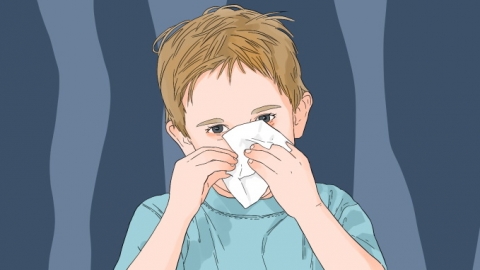
If allergic rhinitis is triggered by specific allergens present only in the original environment, symptoms typically improve after moving. For example, if the previous residence was chronically damp with mold growth, or located near a botanical garden with extremely high pollen concentrations, relocating to a dry, well-ventilated area free from these allergens removes ongoing nasal irritation. As a result, symptoms such as runny nose and nasal itching may significantly lessen or even disappear. In such cases, changing the environment eliminates the source of allergy and creates a more comfortable condition for the nasal mucosa.
However, if the new environment still contains the same allergens as the original one, or introduces new allergens, the condition will not improve. For instance, if someone is allergic to house dust mites and both the old and new residences are poorly cleaned with excessive mite levels, or if a person allergic to pollen moves to another region rich in different types of pollen, the nasal passages remain irritated, leading to persistent symptoms. Moreover, if the allergic reaction is closely related to the individual's immune status, simply changing the environment may have limited effect.
To manage allergic rhinitis effectively, it is advisable to identify the triggering allergens through allergy testing before relocation and assess potential risks associated with the new environment. Meanwhile, patients should follow medical advice regarding medication, regularly clean their living spaces, and avoid relying solely on environmental changes while neglecting standardized treatment.


