


Why does my right throat hurt along with my right ear?

Generally, pain on the right side of the throat accompanied by right ear pain may be caused by excessive voice use, dietary irritation, acute tonsillitis, right external otitis, or glossopharyngeal neuralgia. Patients can choose appropriate measures based on their specific conditions. Detailed analysis is as follows:
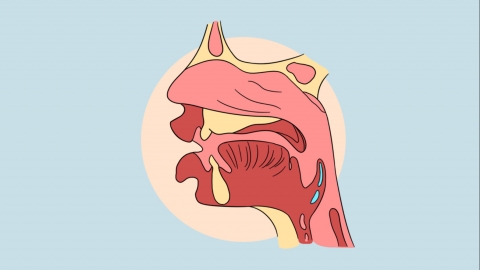
1. Excessive Voice Use
Prolonged loud speaking or shouting can cause congestion and swelling of the mucous membrane on the right side of the throat, with pain radiating to the right ear via nerves. Reduce speaking frequency, allow the throat adequate rest, and drink more warm water to moisturize the mucous membranes.
2. Dietary Irritation
Consuming excessively hot or spicy foods may irritate and damage the mucous membrane on the right side of the throat, causing pain that refers to the right ear. Immediately stop eating irritating foods and switch to lukewarm, soft, and smooth foods to reduce strain on the throat.
3. Acute Tonsillitis
Bacterial infection causes inflammation and swelling of the right tonsil, with inflammatory spread stimulating nerves in the throat and ear, resulting in referred pain. Under medical guidance, patients may take amoxicillin capsules, cefuroxime axetil tablets, or Pudilan anti-inflammatory tablets, along with gargling with warm saline solution.
4. Right External Otitis
After skin damage in the external auditory canal, bacterial invasion leads to inflammation, causing pain in the right ear that radiates to the same-side throat. Under medical guidance, ofloxacin otic solution, cefaclor capsules, or hydrochloride lomefloxacin otic solution may be used, while keeping the ear canal dry and clean.
5. Glossopharyngeal Neuralgia
Abnormal electrical discharges occur when the glossopharyngeal nerve is stimulated, leading to radiating pain in the right throat and right ear. Under medical guidance, carbamazepine tablets, gabapentin capsules, or phenytoin sodium tablets may be prescribed. In severe cases, glossopharyngeal nerve decompression surgery may be considered.
In daily life, it's important to develop healthy voice-use habits, maintain a light and regular diet, and ensure good hygiene of the mouth and ear canals. If pain persists or worsens, timely medical consultation is necessary for accurate diagnosis and targeted treatment to avoid disease progression.


