


Does anesthesia affect tinnitus caused by nerve issues?

Generally, short-term local anesthetics have minimal impact on neurogenic tinnitus. However, general anesthesia or special circumstances may cause temporary discomfort or exacerbate symptoms. If concerned, it is advisable to consult a doctor in advance. Detailed analysis is as follows:
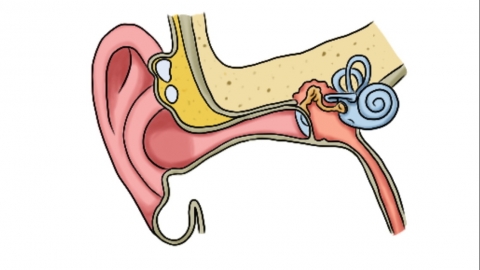
If local anesthesia is used for minor procedures such as dental treatments or minor skin surgeries, the anesthetic effect is localized and metabolized quickly. It typically does not significantly stimulate the auditory nerves, and most patients with neurogenic tinnitus will not experience symptom changes. A small number of individuals might temporarily perceive increased tinnitus due to procedural anxiety, but this usually resolves quickly.
If general anesthesia is required for major surgery, or if the patient's tinnitus is associated with high neural sensitivity or poor inner ear microcirculation, the metabolic process of anesthetic agents may temporarily affect nerve conduction or blood circulation. This could lead to worsened tinnitus or new tinnitus symptoms shortly after surgery. However, such effects are mostly transient and gradually improve as the body recovers.
Prior to any planned anesthetic procedure, patients should proactively inform their doctor about their neurogenic tinnitus. If tinnitus persists or worsens after surgery, or fails to resolve within one week, timely medical evaluation is recommended to rule out other potential contributing factors.


