


What fruits can help relieve nosebleeds caused by dryness in autumn?

Autumn dryness-induced nosebleeds can generally be alleviated by eating fruits such as pears, grapefruits, kiwifruits, oranges, and grapes. The specific analysis is as follows:
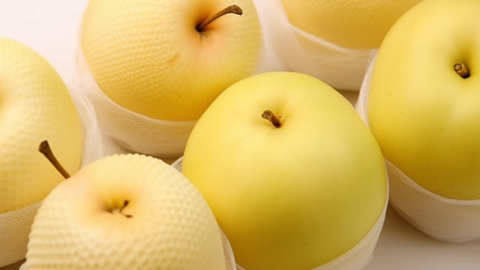
1. Pears: Pears have a high water content and are rich in various vitamins. They help hydrate the body and moisturize nasal mucous membranes, reducing the fragility of mucosal tissue caused by dryness and thereby decreasing the frequency of nosebleeds. Pears can be eaten raw or boiled into a pear infusion. Consuming them warm may also prevent gastrointestinal irritation.
2. Grapefruit: Grapefruit has a slightly cooling nature and contains abundant water and vitamin C. It not only replenishes bodily fluids to relieve dryness but also enhances mucosal resistance, lowering the likelihood of nasal mucosal damage and bleeding due to dry conditions. It is recommended to eat the flesh directly after peeling, while avoiding excessive consumption that could cause digestive discomfort.
3. Kiwifruit: Rich in vitamin C and dietary fiber, kiwifruit helps repair nasal mucosa and improves its elasticity through vitamin C, while dietary fiber aids in regulating metabolism. This indirectly improves internal dryness and assists in relieving autumn nosebleeds. Eating 1–2 kiwifruits daily typically meets the body’s nutritional needs.
4. Oranges: Oranges are rich in water and vitamins, effectively replenishing hydration and moisturizing respiratory and nasal mucous membranes. This reduces irritation from dry air, while their nutrients boost overall immunity, decreasing the risk of nosebleeds caused by dry mucosa. Oranges can be peeled and eaten directly or consumed as freshly squeezed juice—preferably drunk immediately after preparation to preserve nutrient content.
5. Grapes: Grapes contain ample water and natural sugars, enabling quick rehydration and energy restoration, thus counteracting dehydration caused by autumn dryness. This helps reduce nasal mucosal dryness and lowers the incidence of nosebleeds. It is best to wash and eat them directly; riper grapes offer better taste and higher nutritional value.
In autumn, it's important to stay well-hydrated. In addition to consuming the above fruits, avoid frequent nose picking. If nosebleeds occur frequently or involve heavy bleeding, seek medical attention promptly to rule out other underlying health issues and ensure nasal health.


