


Can sensorineural hearing loss heal itself?

In general, whether sensorineural hearing loss can resolve spontaneously depends on the specific cause and severity of the condition. If hearing loss occurs, it is recommended to seek medical evaluation promptly. The detailed analysis is as follows:
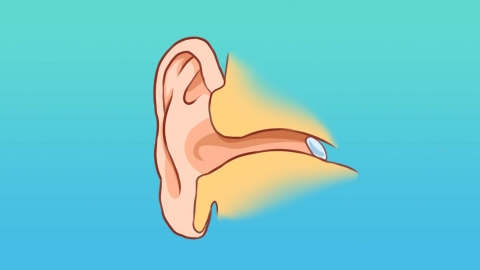
Sensorineural hearing loss caused by brief noise exposure, excessive mental stress, or fatigue may be reversible if the cochlear hair cells have not sustained irreversible damage. This type of condition usually results from temporary dysfunction of the auditory nerve. With adequate rest, avoidance of noise, and emotional regulation, the body may naturally restore nerve function, and hearing typically improves gradually within a few days to several weeks.
However, sensorineural hearing loss due to sudden sensorineural deafness, acoustic neuroma, or inner ear infections often cannot heal on its own, especially when there is necrosis of cochlear hair cells or severe damage to the auditory nerve. These conditions can lead to permanent hearing impairment and require timely intervention—such as medication or surgery—to improve symptoms. Delayed treatment may result in further hearing deterioration.
To protect hearing, avoid high-decibel environments and wear protective equipment. Maintain a regular sleep schedule and avoid chronic sleep deprivation and excessive fatigue. Eat a balanced diet rich in vitamins and minerals. Have regular hearing checkups and seek medical attention promptly if any hearing abnormalities are detected.


