


What your body is telling you when you sneeze
Nov 27, 2025
Source: Cainiu Health

Dr. Ren Yi
Introduction
Sneezing is usually the body's way of sending specific signals, possibly indicating exposure to allergens, irritation of the respiratory tract, early warning of a cold or infection, or the presence of foreign matter in the nasal cavity. If sneezing occurs after contact with substances such as pollen, dust mites, or pet dander, it may be an allergic reaction triggered by these allergens. Allergens stimulate the nasal mucosa, triggering a neural reflex that leads to sneezing.
Sneezing often indicates specific signals from the body, typically suggesting possible exposure to allergens, irritation of the respiratory tract, early warning signs of a cold or infection, presence of nasal foreign bodies, or manifestation of the body's self-protective mechanisms. Detailed explanations are as follows:
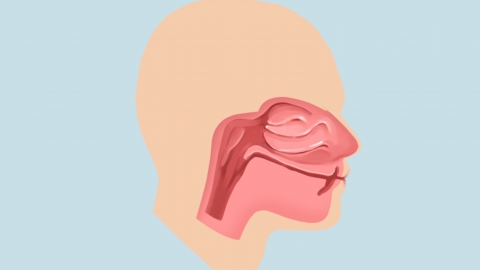
1. **Indication of allergen exposure**: Sneezing after contact with substances such as pollen, dust mites, or pet dander may indicate an allergic reaction triggered by allergens. These allergens stimulate the nasal mucosa, triggering a neural reflex that causes sneezing, often accompanied by symptoms like nasal itching and runny nose, signaling the need to avoid the allergen source.
2. **Notification of respiratory irritation**: Sneezing after inhaling smoke, dust, or irritant odors (such as perfume or cooking fumes) indicates that the respiratory mucosa has been irritated. Sneezing helps expel these irritants through forceful airflow, minimizing damage to the respiratory tract. In such cases, it is advisable to leave the irritating environment promptly.
3. **Early warning of cold or infection**: During the early stages of a cold or when infected with viruses or bacteria, pathogens can irritate the nasal mucosa and trigger sneezing. This serves as an early warning sign that cold symptoms—such as nasal congestion, sore throat, or fever—may soon develop. Adequate rest and preventive measures are recommended at this stage.
4. **Indication of nasal foreign body**: When small foreign objects (such as dust particles or tiny insects) enter the nasal cavity, the body may initiate sneezing in an attempt to expel them and maintain nasal patency. Such sneezing is usually sudden, occurring once or a few times, and symptoms typically subside once the object is expelled.
5. **Demonstration of self-protection mechanism**: Fundamentally, sneezing is a protective mechanism of the body. It clears harmful substances—including pathogens, irritants, and allergens—from the nasal cavity via strong air currents, helping maintain respiratory cleanliness and health. It represents a natural defense response against external threats.
If sneezing occurs frequently, is accompanied by difficulty breathing, or persists without improvement, prompt medical attention is advised. In daily life, maintaining nasal hygiene and avoiding known allergens and irritating environments can help reduce unnecessary triggers of sneezing.





