


Why do I start running nose and sneezing as soon as exposed to wind?

Running nose and sneezing when exposed to wind may be caused by sensitive nasal mucosa, cold air irritation, allergic rhinitis, acute rhinitis, or vasomotor rhinitis. Symptoms can be improved by protective measures, avoiding irritants, and medication. If symptoms occur frequently or are accompanied by nasal congestion and headache, medical attention should be sought promptly.
1. Sensitive nasal mucosa: The nasal mucosa contains abundant nerve endings and has low tolerance to external stimuli. Airflow from wind can stimulate the mucosa, triggering reflexive runny nose and sneezing. It is recommended to wear a mask outdoors to reduce direct airflow exposure to the nasal cavity and avoid staying in drafty areas for extended periods.
2. Cold air irritation: When cold air enters the nasal passages, it causes blood vessels in the nasal mucosa to first constrict and then dilate, increasing glandular secretion, leading to runny nose and sneezing. It is advisable to keep warm before exposure to wind, use scarves or masks to cover the mouth and nose, and avoid sudden contact with cold air.
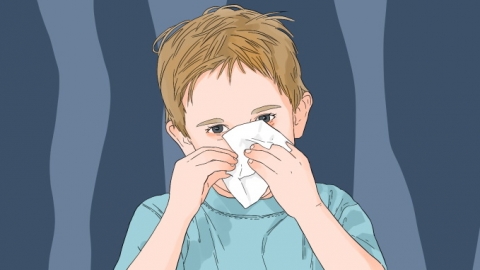
3. Allergic rhinitis: Exposure to airborne allergens such as pollen or dust mites carried by wind triggers an allergic reaction in the nasal passages, resulting in runny nose and sneezing, often accompanied by nasal itching and congestion. Patients may use medications such as loratadine syrup, mometasone furoate nasal spray, or levocabastine hydrochloride nasal spray under medical guidance to relieve symptoms.
4. Acute rhinitis: After viral infection, the nasal mucosa remains in an inflamed state. Exposure to wind may worsen inflammation, causing runny nose and sneezing, along with sore throat and mild fever. Under a doctor's guidance, medications such as Ganmao Qingre Granules, pseudoephedrine hydrochloride nasal drops, or Pudilan Xiaoyan Oral Liquid may be used to alleviate discomfort.
5. Vasomotor rhinitis: Autonomic nervous system dysfunction leads to abnormal constriction and dilation of nasal blood vessels upon stimulation such as wind exposure, resulting in runny nose and sneezing, which may worsen during emotional fluctuations. Patients may follow medical advice to use budesonide nasal spray, montelukast sodium chewable tablets, or azelastine hydrochloride nasal spray to improve symptoms.
Wear facial coverings when going outdoors to protect the nose and mouth, avoid direct exposure to wind, maintain indoor cleanliness to reduce allergens, drink plenty of water to moisturize the respiratory tract, and maintain regular sleep patterns and moderate exercise to enhance the body’s adaptability to environmental changes.


