


What happens if conductive hearing loss is left untreated?
Nov 27, 2025
Source: Cainiu Health

Dr. Lu Cheng
Introduction
In general, if conductive hearing loss is not treated promptly, it may lead to a series of problems including progressive hearing deterioration, difficulties in daily communication, psychological issues, related complications, and risks to personal safety. Patients are advised to seek early evaluation and identify the underlying cause once hearing abnormalities are detected, and to receive timely interventions such as medication or surgery. It is also important to protect the ears in daily life and avoid letting contaminated water enter the ear canal.
Generally, if conductive hearing loss is not treated in a timely manner, it may lead to a series of problems including progressive hearing deterioration, difficulties in daily communication, psychological issues, related complications, and increased risks to personal safety. The specific analysis is as follows:
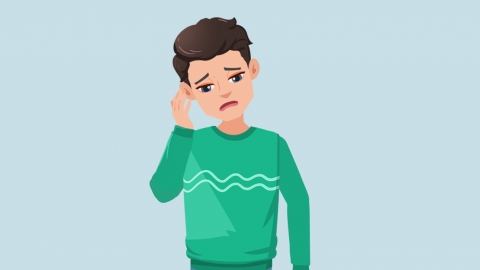
1. Progressive hearing loss: Conductive hearing loss is often caused by diseases affecting the outer or middle ear. Without treatment, the underlying pathological condition persists and may even worsen, leading to increasingly obstructed sound transmission pathways and gradual decline in hearing. Initially, patients may only have reduced sensitivity to faint sounds; over time, even understanding normal conversation becomes extremely difficult, significantly impairing auditory function.
2. Difficulties in daily communication: Hearing impairment directly affects the ability to hear others clearly. Patients frequently ask speakers to repeat themselves, increasing the risk of miscommunication. They may miss important instructions at work and struggle to participate in everyday conversations, gradually withdrawing from social interactions.
3. Psychological issues: Prolonged communication difficulties can lead to feelings of inferiority, irritability, and frustration. Patients may fear being misunderstood or excluded due to their hearing problems, causing them to avoid social situations. Over time, this isolation may result in loneliness and even anxiety or other psychological distress.
4. Related complications: Some cases of conductive hearing loss are caused by conditions such as otitis media or tympanic membrane perforation. If left untreated, these primary conditions may become chronic and lead to further complications like cholesteatoma or tympanic membrane adhesions, worsening ear health and increasing the difficulty of treatment.
5. Risks to daily safety: Impaired hearing reduces the ability to detect critical environmental warning signals, such as car horns, fire alarms, or knocking at the door. This increases the risk of accidents when crossing streets, at home, or in other everyday situations.
It is recommended that patients seek prompt medical evaluation upon noticing any hearing abnormalities, and receive appropriate interventions such as medication or surgery based on the underlying cause. Daily protective measures should also be taken, including avoiding water entering the ears, minimizing exposure to noisy environments, and maintaining regular sleep patterns to support overall ear health.



