


What should I do if nasal congestion is so severe that I can't breathe?

Severe nasal congestion that impairs breathing may be caused by blocked nasal passages due to secretions, cold air irritation, acute rhinitis, allergic rhinitis, or sinusitis. Symptoms can be improved through nasal cleansing, keeping warm, and medication. If symptoms persist or are accompanied by fever or headache, prompt medical attention is necessary.
1. Nasal secretion blockage: Accumulation of mucus or crusts inside the nasal cavity can obstruct the airway, making breathing difficult. This commonly occurs during the early stages of a cold or in dry air conditions. It is recommended to use a saline nasal spray to moisten the nasal passages and gently remove secretions with a nasal aspirator or cotton swab.
2. Cold air irritation: Cold air can irritate the nasal mucosa, causing blood vessel constriction and mucosal swelling, leading to nasal congestion, possibly accompanied by nasal itching and sneezing. It is advisable to wear a mask outdoors to stay warm and avoid direct exposure to cold air, while maintaining a comfortable indoor temperature and humidity level.
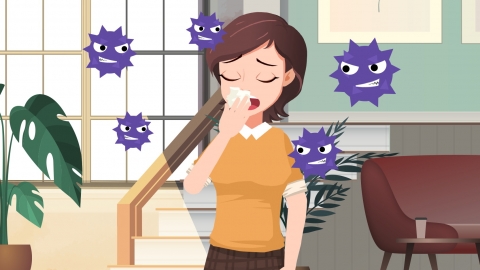
3. Acute rhinitis: Viral infection causes acute inflammation of the nasal mucosa, resulting in mucosal congestion and edema that leads to severe nasal congestion, along with clear nasal discharge and sneezing. Under a doctor's guidance, patients may use medications such as pediatric paracetamol-phenylpropanolamine granules, physiological seawater nasal spray, or oxymetazoline hydrochloride nasal drops to relieve symptoms.
4. Allergic rhinitis: After exposure to allergens such as pollen or dust mites, an allergic reaction occurs in the nasal mucosa, causing swelling and airway obstruction, often accompanied by nasal itching and clear runny nose. It is recommended to use medications such as mometasone furoate nasal spray, loratadine syrup, or montelukast sodium granules under medical supervision to alleviate discomfort.
5. Sinusitis: Bacterial infection in the sinuses causes inflammation, with pus-like secretions accumulating and blocking the nasal passage, resulting in persistent nasal congestion, headache, and thick yellow or green nasal discharge. Patients may follow medical advice to use medications such as cefaclor suspension, oral sinusitis solution, or physiological seawater nasal spray to improve symptoms.
Maintain well-ventilated and humid indoor air, drink plenty of water, eat a light diet, avoid allergens and irritating gases, and clean the nasal passages gently to promote unobstructed breathing and reduce discomfort.


