


What causes a sour sensation in the nasal cavity, as if water has gone up the nose, and what should be done about it?

The nasal cavity feels sour and irritated, similar to the sensation of inhaling water, which may be caused by environmental irritants, inhalation of foreign substances, allergic rhinitis, acute rhinitis, or sinusitis. Symptoms can be improved by avoiding irritants, cleaning the nasal cavity, and medication. If symptoms persist or are accompanied by runny nose or headache, seek medical attention promptly.
1. Environmental Irritation: Exposure to cold air, smoke, dust, or other irritants can stimulate the nasal mucosa, causing a sour, swollen sensation resembling water inhalation. It is recommended to avoid irritating environments, wear a mask when going outdoors, rinse the nasal cavity with warm water, and keep the mucous membrane moist.
2. Inhalation of Foreign Substances: Accidentally inhaling small amounts of liquid or dust particles can stimulate nerves in the nasal mucosa, leading to discomfort. It is advised to rinse the nasal cavity with saline solution to remove the foreign substance and avoid forceful nose-blowing, which could worsen irritation.
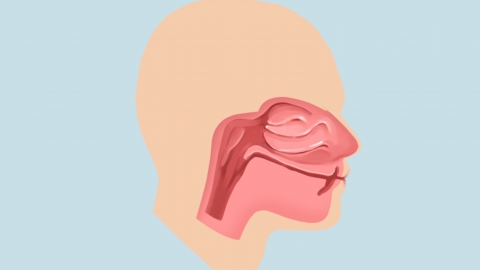
3. Allergic Rhinitis: Upon exposure to allergens such as pollen or dust mites, the nasal mucosa undergoes an allergic reaction, resulting in congestion, swelling, and a sour sensation, often accompanied by sneezing and clear nasal discharge. Patients may take medications such as loratadine tablets, mometasone furoate nasal spray, or montelukast sodium chewable tablets under medical guidance to relieve symptoms.
4. Acute Rhinitis: Viral infection causes acute inflammation of the nasal mucosa, leading to congestion, swelling, and increased secretions, resulting in nasal soreness and fullness, along with nasal congestion and watery discharge. It is recommended to use medications such as ribavirin granules, oxymetazoline hydrochloride nasal drops, or Pudilan anti-inflammatory oral liquid under a doctor’s supervision to alleviate discomfort.
5. Sinusitis: When nasal inflammation spreads to the sinuses, the sinus mucosa becomes inflamed and produces purulent secretions, irritating the nasal cavity and causing a sour, swollen feeling, often accompanied by headache and thick, pus-like nasal discharge. Patients may follow medical advice to use medications such as cefaclor capsules, Biyuan Tongqiao granules, or budesonide nasal spray to improve symptoms.
Maintain indoor air humidity, drink plenty of water to moisturize the respiratory tract, avoid frequent nose picking, stay away from allergens and irritating gases, and engage in moderate exercise to strengthen overall health and reduce nasal discomfort.


