


What causes nasal congestion in autumn and winter?

Generally, nasal congestion during autumn and winter may be caused by dry air irritation, cold-induced constriction of the nasal mucosa, allergic rhinitis, chronic rhinitis, or deviated nasal septum. It is recommended to seek medical attention promptly, identify the underlying cause, and receive symptomatic treatment under a doctor's guidance. Specific analyses are as follows:
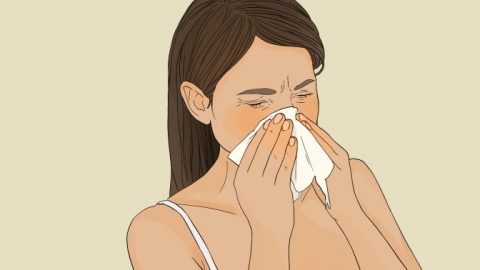
1. Dry air irritation: During autumn and winter, low humidity causes rapid moisture loss from the nasal mucosa, leading to crusting and blockage of the nasal passages, resulting in congestion. Using a humidifier indoors to maintain humidity between 50%–60%, and daily rinsing the nasal cavity with physiological saline nasal spray can soften nasal crusts and replenish mucosal moisture.
2. Cold-induced constriction of nasal mucosa: Cold air in autumn and winter stimulates the nasal cavity, causing vasoconstriction of the nasal mucosa and reduced glandular secretion, which narrows the nasal passage and leads to congestion. Wearing a windproof mask when going outdoors helps prevent direct inhalation of cold air. Applying a warm towel gently over the nose upon entering indoors can relieve mucosal constriction.
3. Allergic rhinitis: Increased levels of allergens such as dust mites and fallen leaf pollen during autumn and winter can trigger allergic reactions in the nasal cavity, causing mucosal swelling and congestion accompanied by nasal itching and sneezing. Patients should follow medical advice to use medications such as loratadine tablets, mometasone furoate nasal spray, and cetirizine hydrochloride drops, and regularly clean indoor environments to reduce allergen exposure.
4. Chronic rhinitis: Long-term inflammation of the nasal mucosa leads to thickening and hypertrophy. Fluctuating temperatures in autumn and winter can worsen nasal congestion, often accompanied by runny nose and headaches. Patients should use medications such as budesonide nasal spray, montelukast sodium chewable tablets, and eucalyptus citronellal enteric soft capsules as prescribed, and avoid irritants like dust and cooking fumes.
5. Deviated nasal septum: An abnormal structural deviation of the nasal septum toward one side can easily become congested and exacerbate nasal blockage when the nasal mucosa is sensitive during autumn and winter, severely affecting sleep in some cases. Initial relief can be achieved with medication; once inflammation stabilizes, surgical correction (septoplasty) may be performed to correct the deviation and restore normal nasal airflow.
Maintain a light diet, consume more fresh fruits and vegetables rich in vitamins to enhance mucosal resistance. Avoid forceful nose-blowing to prevent damage to the nasal mucosa. Maintain regular sleep patterns and avoid staying up late to reduce triggers for nasal inflammation and promote overall nasal health.


