


Can patients with rhinitis eat pears?

Generally, patients with rhinitis can eat pears, but this should be determined according to individual constitution and the method of consumption. Eating pears in moderation may be beneficial if the person is not allergic to pears and experiences no discomfort after eating them; however, those who are allergic to pears or whose symptoms worsen after consumption should avoid them. The detailed analysis is as follows:
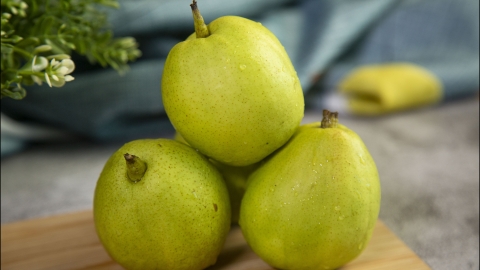
Pears are rich in water, vitamins, and dietary fiber, and have a mild nature. Most patients with rhinitis do not experience adverse reactions after consuming pears. During dry seasons or rhinitis flare-ups, eating pears helps hydrate the body, relieve dryness of nasal mucosa, and reduce discomfort such as nasal congestion and itching. Pears can be eaten raw or steamed; steamed pears are more suitable for individuals with weak spleen and stomach, as they cause less irritation to the gastrointestinal tract.
A small number of rhinitis patients may be allergic to certain components in pears, experiencing worsened symptoms such as sneezing and runny nose after consumption. These individuals should avoid eating pears. In addition, consuming large amounts of raw, cold pears at once may irritate the respiratory tract and indirectly exacerbate rhinitis symptoms. Therefore, intake should be controlled—1 to 2 pears per serving is recommended.
Rhinitis patients should maintain a light diet. Besides pears, other vitamin-rich fruits such as apples and oranges can also be consumed in moderation. Spicy and irritating foods should be avoided to reduce stimulation of the nasal mucosa.


