


What are the dietary precautions after parotid gland surgery?

After parotid gland surgery, diet should focus on reducing glandular strain and promoting wound healing. It is generally important to choose liquid or semi-liquid foods, avoid acidic and irritating foods, control food temperature, minimize chewing effort, and avoid spicy and greasy foods. Specific recommendations are as follows:
1. Choose liquid or semi-liquid foods: In the early postoperative period, patients should primarily consume liquid foods such as rice broth, lotus root starch, and vegetable juice. Gradually transition to semi-liquid foods like millet porridge, steamed egg custard, and soft noodles. These foods require minimal chewing, reduce saliva secretion, avoid stimulating the surgical site, and lower the risk of wound swelling.
2. Avoid acidic and irritating foods: Acidic foods such as oranges, lemons, vinegar, and tomatoes, as well as stimulants like coffee and strong tea, can trigger excessive saliva production from the salivary glands. This may worsen swelling in the surgical area or impair wound healing. Such items must be strictly avoided during recovery.
3. Control food temperature: Food should be consumed at a lukewarm or cool temperature; avoid excessively hot or cold items. Overly hot food may irritate the wound and cause pain, while very cold food could stimulate salivary gland contraction—both of which hinder recovery. Test food temperature before eating to ensure it is mild and non-irritating.
4. Minimize chewing effort: Avoid hard foods requiring forceful chewing, such as nuts, hard candies, and fried foods. Facial muscle movement during chewing can pull on the surgical site, potentially impairing wound healing or even causing wound dehiscence. Chewing should be kept gentle and slow throughout recovery.
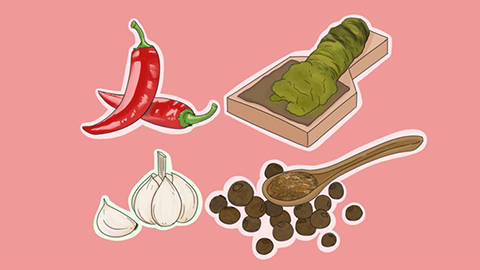
5. Avoid spicy and greasy foods: Spicy and greasy foods such as chili peppers, Sichuan pepper, fatty meats, and fried foods may not only stimulate saliva secretion but also increase systemic inflammatory responses, slowing wound recovery. Postoperative diets should remain light to reduce metabolic burden on the body.
Diet should be gradually adjusted according to wound healing progress, transitioning from liquids to soft foods and eventually regular meals. After each dietary change, monitor for signs of discomfort such as wound swelling or pain. If any abnormal symptoms occur after eating, inform your doctor promptly. Additionally, maintain regular meal patterns with small, frequent meals to provide adequate nutritional support for recovery.


