


What causes itching on the outside of the nose, and how should it be managed?

In general, itching on the outside of the nose may be caused by dry or dehydrated skin, exposure to external irritants, contact dermatitis, seborrheic dermatitis, or rosacea. It is recommended to seek medical attention promptly, identify the underlying cause, and improve symptoms under a doctor's guidance through general management, medication, or other treatments. A detailed analysis is as follows:
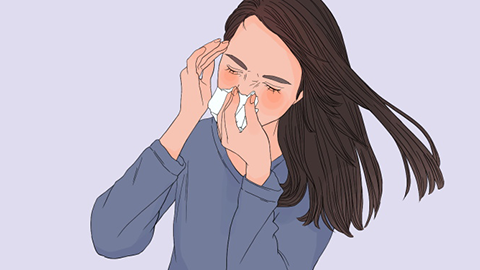
1. Dry and dehydrated skin: In dry climates or when fluid intake is insufficient, the skin on the outer nose can lose moisture, leading to a damaged skin barrier and resulting in itching accompanied by flaking and tightness. After gently cleansing the nose daily with lukewarm water, apply a mild moisturizing lotion, drink plenty of water to rehydrate the body, and use a humidifier indoors to maintain proper humidity levels.
2. Exposure to external irritants: Substances such as pollen, dust, and animal hair coming into contact with the nasal skin may cause temporary irritation and itching, commonly occurring during spring and autumn. Wearing a mask outdoors can help block irritants; wash the nose and surrounding skin upon returning home, and change clothes that have been exposed to dust.
3. Contact dermatitis: Allergens such as fragranced skincare products or metal eyeglass frames may trigger an allergic reaction on the nasal skin, causing itching and redness. Patients should follow medical advice to use topical medications such as desonide cream, mometasone furoate cream, or hydrocortisone butyrate cream, and discontinue use of the allergenic product.
4. Seborrheic dermatitis: Overactive sebaceous glands around the nose may lead to clogged pores and inflammation due to excess oil, manifesting as itchy, oily red patches. Treatment may include antifungal creams like ketoconazole cream, oral antihistamines such as loratadine tablets or cetirizine hydrochloride tablets, as prescribed. Use gentle facial cleansers to keep the nasal area clean and reduce oil buildup.
5. Rosacea: Nasal inflammation caused by genetic factors or abnormal blood vessel regulation typically begins with itching and facial flushing, potentially progressing to papules over time. Symptoms can be managed under medical supervision with medications such as metronidazole gel, doxycycline tablets, or isotretinoin gel.
Avoid scratching the nose with hands to prevent skin damage and secondary infection. Maintain a light diet, limit intake of spicy and greasy foods, adhere to a regular sleep schedule, and avoid staying up late to prevent worsening of skin conditions and promote recovery of healthy nasal skin.


