


How to prevent allergic rhinitis caused by pollen

To prevent allergic rhinitis caused by pollen, it is important to reduce pollen exposure and strengthen protective measures. Commonly used methods include avoiding outdoor activities during peak pollen times, taking protective steps when going outside, cleaning the body promptly after returning home, maintaining a clean indoor environment, and using preventive medications in advance. The specific details are as follows:
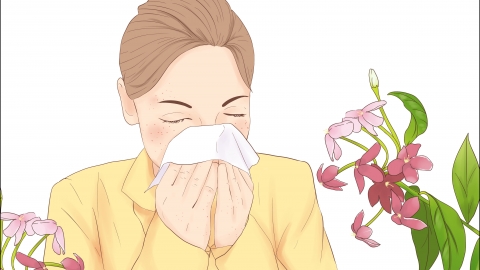
1. Avoid going outdoors during peak pollen periods: Pollen concentrations are typically higher from 10 a.m. to 4 p.m. in spring. During these hours, outdoor activities should be minimized, especially in areas with dense vegetation such as parks or botanical gardens. Instead, go out during early morning or evening hours when pollen levels are lower, thereby reducing the likelihood of pollen exposure.
2. Take protective measures when going outdoors: Wear a mask when outside—preferably a medical mask or specialized anti-pollen mask capable of filtering pollen particles. Use windproof goggles to reduce pollen entry into the nasal passages and eyes. Wear long-sleeved clothing and a hat to prevent pollen from directly settling on the skin and hair, thus minimizing contact.
3. Clean your body promptly upon returning home: Immediately change clothes worn outdoors and wash and dry them thoroughly to avoid pollen residue. Wash your face and nasal passages with lukewarm water, comb through and clean your hair to remove pollen attached to the body's surface, preventing the spread of pollen indoors.
4. Maintain a clean indoor environment: Keep windows and doors closed, especially during high pollen seasons, to reduce the influx of outdoor pollen. Use air purifiers equipped with HEPA filters, and clean or replace the filters regularly to effectively capture airborne pollen particles and maintain clean indoor air.
5. Use preventive medications in advance: If you have experienced frequent episodes of pollen-induced allergic rhinitis in previous years, consider starting preventive treatment 1–2 weeks before the onset of pollen season. Under a doctor’s guidance, use intranasal corticosteroids or antihistamines to establish a protective effect in advance and reduce allergic reactions upon pollen exposure.
In daily life, pay attention to local pollen concentration forecasts and adjust your outdoor plans accordingly. If symptoms persist or worsen, seek medical attention promptly and adjust your prevention or treatment plan under professional medical guidance.


