


What causes pain on the side of the nostril when pressed, and what should be done about it?

Generally, pain upon pressing the side of the nostril may be caused by external pressure, dry and cracked skin, nasal vestibulitis, alar folliculitis, or sinusitis. If discomfort occurs, it is recommended to seek timely medical evaluation and treatment at a qualified hospital. Specific analyses are as follows:
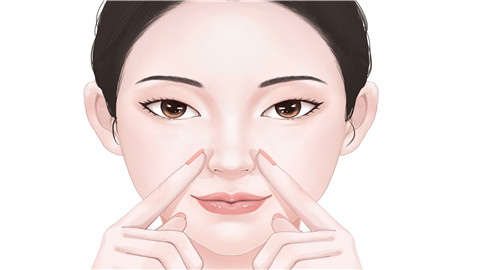
1. External pressure: Rubbing or squeezing the nostril forcefully can cause local soft tissue injury and capillary congestion, resulting in pain when pressed. Discontinue squeezing or rubbing, apply a cold towel gently to reduce swelling, and avoid touching the affected area.
2. Dry and cracked skin: In dry climates or with insufficient fluid intake, the skin on the nostril may become dehydrated and develop cracks, causing pain upon pressure due to nerve stimulation. Apply a gentle moisturizing cream, increase water intake, and use a humidifier indoors to improve ambient humidity.
3. Nasal vestibulitis: Nasal secretions may irritate the skin of the nasal vestibule, triggering an inflammatory response characterized by pain and redness inside the nostril. Under medical guidance, erythromycin ointment, mupirocin ointment, or cefuroxime axetil tablets may be used. Maintain nasal hygiene and avoid picking the nose with fingers.
4. Alar folliculitis: Bacterial infection of hair follicles on the nostril leads to purulent inflammation, presenting as red, swollen bumps with tenderness upon pressure. Under medical guidance, fusidic acid cream, clindamycin gel, or amoxicillin capsules may be used. Avoid squeezing the lesion to prevent spreading the infection.
5. Sinusitis: Inflammation of the sinus mucosa spreads to the tissues around the nostril, involving local structures and causing tenderness upon pressure, accompanied by nasal congestion and runny nose. Under medical guidance, mometasone furoate nasal spray, eucalyptus citronellol enteric-coated soft capsules, or cefaclor sustained-release tablets may be prescribed. In severe cases, sinus puncture and irrigation may be required.
Maintain good daily hygiene habits and avoid frequently touching the nose with hands. Keep your diet mild and reduce consumption of spicy or irritating foods. If pain progressively worsens or symptoms such as pus formation or fever occur, seek immediate medical attention for accurate diagnosis.


