


How to quickly treat enlarged nasal turbinate tissue

To quickly improve symptoms of turbinate hypertrophy, various methods can be used, including nasal irrigation, nasal sprays, avoiding irritants, surgical treatment, and adjunctive physical therapies. Specific details are as follows:
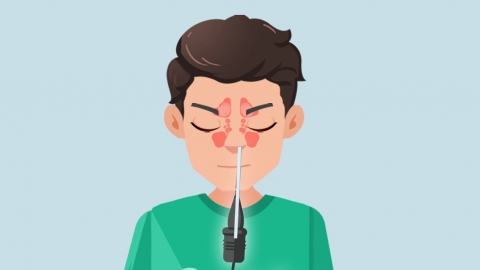
1. Nasal irrigation: Use normal saline or a specialized nasal rinse solution with a nasal irrigator to gently flush the nasal cavity 1–2 times daily. This helps remove secretions and irritants from the nasal passages, reduces mucosal swelling, temporarily relieves nasal congestion, and creates a favorable environment for further treatment.
2. Use of nasal sprays: Under medical guidance, use nasal sprays as directed. These sprays can rapidly constrict blood vessels in the nasal mucosa, alleviate nasal congestion caused by turbinate hypertrophy, suppress inflammatory responses, and prevent worsening of the condition.
3. Avoiding irritants: Stay away from irritants such as dust, pollen, and cooking fumes; avoid frequent exposure to cold air; reduce intake of spicy and greasy foods. This prevents irritation and subsequent congestion or swelling of the nasal mucosa, supports treatment effectiveness, and helps maintain healthy nasal function.
4. Surgical treatment: If turbinate hypertrophy is severe and unresponsive to medication or conservative care, surgery may be performed to remove the enlarged tissue. This provides rapid improvement in nasal airflow and resolves issues such as nasal obstruction and reduced sense of smell. Postoperative care should follow medical advice to prevent recurrence.
5. Adjunctive physical therapy: At professional healthcare facilities, treatments such as red light or microwave therapy may be used. These deliver mild energy stimulation to the nasal mucosa, promoting local blood circulation, reducing inflammation and swelling, relieving discomfort caused by turbinate hypertrophy, and accelerating recovery.
Regular follow-up visits are necessary during treatment to monitor changes in the turbinates. If symptoms such as worsening nasal blockage, bloody nasal discharge, or headaches occur, prompt medical consultation is required to adjust the treatment plan. After surgery, maintain good nasal hygiene and avoid forceful nose-blowing to prevent wound infection.


