


Why does my ear ring when I sleep but not during the day, and what should I do about it?

Generally, tinnitus occurring during sleep but not during the daytime may be caused by improper sleeping posture, high mental stress, external auditory canal cerumen impaction, secretory otitis media, or sensorineural tinnitus. Depending on the specific situation, patients can improve symptoms through general management, medication, or surgical treatment. Detailed analysis is as follows:
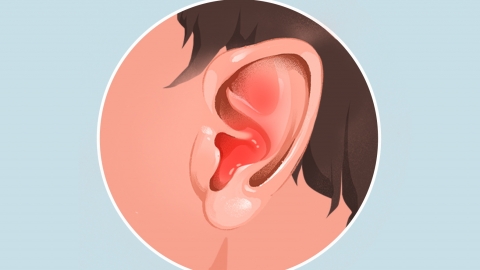
1. Improper sleeping posture: When lying on one side, pressure on the ear flap narrows the ear canal, affecting sound wave conduction and causing transient tinnitus. Adjusting sleeping posture—avoiding prolonged unilateral lateral positioning—and alternating between supine and bilateral lateral positions can help.
2. High mental stress: Prolonged anxiety and tension increase neural excitability, making tinnitus more noticeable in the quiet nighttime environment. Listening to soft music before bedtime, maintaining regular sleep habits and avoiding staying up late, along with physical exercise, can help relieve psychological stress.
3. External auditory canal cerumen impaction: Accumulated earwax blocks the ear canal; head movements during sleep may cause the cerumen to touch the eardrum, producing sounds. A healthcare provider should remove the blockage using a cerumen hook or soften it with sodium bicarbonate ear drops followed by irrigation. Avoid cleaning ears manually.
4. Secretory otitis media: Eustachian tube blockage leads to fluid accumulation in the middle ear. When lying flat at night, fluid movement stimulates the eardrum, causing tinnitus. Under medical guidance, medications such as cefuroxime axetil tablets, eucalyptus citronellal enteric soft capsules, and prednisone tablets may be prescribed, along with Eustachian tube inflation therapy.
5. Sensorineural tinnitus: Damage to inner ear nerves causes abnormal electrical discharges, which become more apparent in quiet nighttime conditions. Under medical supervision, medications such as mecobalamin tablets, ginkgo biloba extract tablets, and flunarizine hydrochloride capsules may be used. In severe cases, tinnitus masking therapy may be considered.
It is important to develop healthy ear care habits: avoid prolonged headphone use, keep the ear canal dry and wipe the outer ear area after bathing, learn emotional regulation, and maintain a calm state of mind. If tinnitus occurs frequently or worsens, prompt evaluation by an otorhinolaryngologist is essential to identify the underlying cause.


