


What causes frequent nausea and dry heaving when brushing teeth in the morning?

Generally, nausea and dry heaving during morning toothbrushing may be caused by improper brushing techniques, stomach irritation on an empty stomach, chronic pharyngitis, reflux esophagitis, allergic rhinitis, or other reasons. If discomfort occurs, it is recommended to seek timely medical evaluation and treatment at a reputable hospital. Specific causes are analyzed as follows:
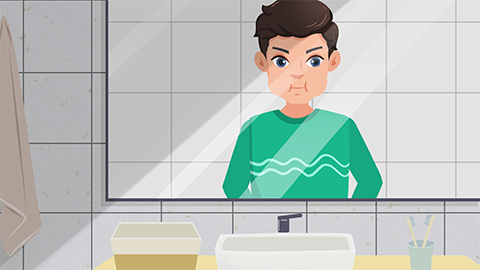
1. Improper Brushing Technique
If the toothbrush penetrates too deeply and touches the back of the throat, or if excessive toothpaste foam irritates the mucous membranes, it can trigger the gag reflex, leading to nausea and dry heaving. Switch to a soft-bristled toothbrush, avoid inserting the brush head too far into the mouth while brushing, and reduce toothpaste amount to minimize foam.
2. Stomach Irritation on an Empty Stomach
In the morning, gastric acid concentration is relatively high when the stomach is empty, and toothbrushing may easily cause gastric discomfort, resulting in nausea and dry heaving. Drink a cup of warm or cool boiled water before brushing to neutralize stomach acid, and choose mild, easily digestible foods for breakfast.
3. Chronic Pharyngitis
Long-term inflammation of the pharyngeal mucosa increases sensitivity, making it prone to nausea and dry heaving upon stimulation during toothbrushing, often accompanied by symptoms such as dry throat and a sensation of a foreign body. Medications such as Yinhuang Throat Lozenges, Lanqin Oral Liquid, or Compound Borax Mouthwash may be used under medical guidance. Avoid smoking, alcohol, and spicy or irritating foods.
4. Reflux Esophagitis
At night, gastric acid may reflux into the esophagus and throat. Morning toothbrushing further aggravates this irritation, causing nausea and dry heaving, often accompanied by acid regurgitation and heartburn. Under a doctor’s guidance, medications such as omeprazole enteric-coated capsules, domperidone tablets, or hydrotalcite chewable tablets may be used. Avoid eating within two hours before bedtime.
5. Allergic Rhinitis
In the morning, exposure to allergens such as dust mites may trigger rhinitis, causing postnasal drip that irritates the throat and induces nausea and dry heaving during toothbrushing, along with nasal congestion and sneezing. Medications such as cetirizine hydrochloride tablets, budesonide nasal spray, or montelukast sodium tablets may be used under medical advice. Regularly clean the bedroom environment to reduce allergens.
In daily life, maintain good oral hygiene and replace toothbrushes regularly; eat meals at regular intervals and avoid overeating; keep the bedroom well-ventilated to reduce allergen accumulation; if symptoms persist without improvement, seek medical attention promptly to identify the underlying cause and receive targeted treatment.


