Why is there always phlegm in the throat without coughing?
Nov 27, 2025
Source: Cainiu Health

Dr. Lu Cheng
Introduction
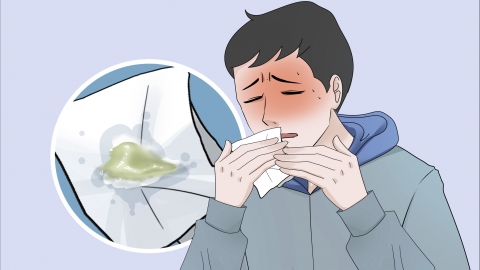
In general, the persistent presence of phlegm in the throat without coughing may be caused by insufficient water intake, a greasy diet, chronic pharyngitis, reflux laryngitis, or sinusitis. If discomfort occurs, it is recommended to seek timely medical evaluation and treatment at a正规 hospital. In daily life, maintain a regular sleep schedule and avoid staying up late; pay attention to oral hygiene by brushing teeth in the morning and evening and rinsing the mouth after meals.
Under normal circumstances, the persistent presence of phlegm in the throat without coughing may be caused by insufficient water intake, a greasy diet, chronic pharyngitis, reflux laryngitis, or sinusitis. If discomfort occurs, it is recommended to seek timely medical evaluation and treatment at a正规 hospital. Detailed analysis is as follows:
1. Insufficient Water Intake
When daily fluid intake is too low, the mucous membranes of the throat become dry, causing secretions to thicken and making them difficult to expel. This leads to an accumulation of phlegm and a sensation of a foreign body in the throat. Increase fluid intake to no less than 1,500 mL per day, drinking small amounts of lukewarm or cool water frequently to keep the throat moist and help thin the mucus.
2. Greasy Diet
Long-term consumption of fried and sweet foods can weaken the digestive function of the spleen and stomach, leading to internal production of dampness and phlegm that rises to the throat, resulting in sticky phlegm that is difficult to cough up. Adjust your diet to include lighter foods, reduce intake of oily and sugary items, and consume more phlegm-resolving, heat-clearing foods such as wax gourd (winter melon) and radish.
3. Chronic Pharyngitis
Prolonged irritation causes chronic inflammation of the throat's mucous membranes, increasing glandular secretion and forming sticky phlegm, often accompanied by a sensation of a foreign body and dryness in the throat. Treatment under medical guidance may include Yinhuan lozenges, Lanqin oral liquid, or compound borax mouthwash. Avoid exposure to dust, smoking, alcohol, and other irritants.
4. Reflux Laryngitis
Stomach acid flowing back into the throat irritates the mucosa, triggering inflammation and increased secretions that form phlegm. This condition is often accompanied by acid regurgitation and a burning sensation in the throat. Under a doctor’s supervision, medications such as omeprazole enteric-coated capsules, domperidone tablets, and hydrotalcite chewable tablets may be used. Avoid lying down immediately after meals.
5. Sinusitis
Inflammation due to a sinus infection causes purulent secretions to drain through the posterior nasal aperture into the throat, leading to phlegm accumulation, often accompanied by nasal congestion and headache. As directed by a physician, treatments may include budesonide nasal spray, eucalyptus-cineole-pinene enteric soft capsules, and cefaclor capsules. In severe cases, surgical sinus opening may be required.
In daily life, maintain regular sleep patterns and avoid staying up late; practice good oral hygiene by brushing teeth morning and night and rinsing the mouth after meals; keep indoor humidity at a comfortable level to prevent dry environments; and seek medical attention promptly if phlegm volume increases or develops an unpleasant odor to determine the underlying cause.