


What causes dryness and pain at the junction of the nose and mouth, and what should be done about it?

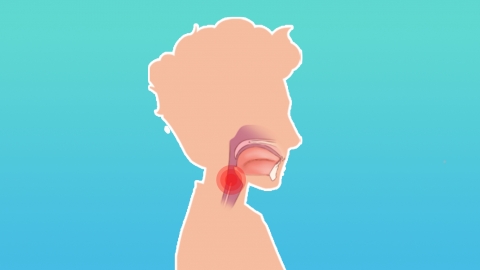
Generally, dryness and pain in the area where the nose connects to the mouth may be caused by factors such as dry environment, insufficient water intake, chronic nasopharyngitis, allergic rhinitis, or sinusitis. Depending on the specific situation, improvements can be made through daily care, medication, and other approaches. The detailed analysis is as follows:
1. Dry Environment
Low air humidity causes rapid evaporation of moisture from mucous membranes, leading to local dryness, damage, and pain. Use a humidifier to increase indoor humidity, wear a mask when going outdoors to reduce mucosal exposure, and apply physiological saline spray to moisten the affected area.
2. Insufficient Water Intake
Dehydration reduces mucosal secretion, making the mucosa locally dry, fragile, and prone to irritation and pain. Increase fluid intake by drinking small amounts of warm water frequently throughout the day, and avoid spicy or dry foods that may irritate the mucosa.
3. Chronic Nasopharyngitis
Repeated stimulation of the nasopharyngeal mucosa by bacteria or viruses leads to chronic inflammation, resulting in mucosal congestion, dryness, and discomfort. Under medical guidance, medications such as Lanqin Oral Liquid, Qingyan Drop Pills, or Cefuroxime Axetil Tablets may be taken. Maintain cleanliness of the nasopharynx and avoid irritants like tobacco and alcohol.
4. Allergic Rhinitis
After exposure to allergens, nasal mucosal edema occurs, with reduced and thicker secretions, affecting the nasopharynx and causing dryness and pain. Under medical guidance, antihistamines such as Cetirizine Hydrochloride Tablets, Loratadine Syrup, or Montelukast Sodium Chewable Tablets may be used. Avoid allergens such as pollen and dust mites.
5. Sinusitis
Inflammation in the sinuses impairs drainage of secretions, irritating the nasopharyngeal mucosa and causing dryness and pain. Under medical supervision, treatments may include Eucalyptus Citrus Pine Enteric-coated Soft Capsules, Budesonide Nasal Spray, or Azithromycin Dispersible Tablets. In severe cases, endoscopic sinus surgery may be required.
It is important to maintain appropriate indoor humidity and develop the habit of drinking water regularly. During pollen season, take preventive measures. If persistent pain occurs, especially accompanied by fever or blood-tinged nasal discharge, seek timely medical evaluation for early diagnosis and relief of symptoms.


