


What should I do if I suddenly experience tinnitus?
Nov 27, 2025
Source: Cainiu Health

Dr. Lu Cheng
Introduction
Sudden tinnitus may be caused by excessive mental stress, noise exposure, external otitis, otitis media, Ménière's disease, etc. It can be improved by emotional regulation, avoiding noise, and medication. If tinnitus lasts longer than 24 hours or is accompanied by hearing loss, prompt medical attention is necessary. Short-term emotional tension, anxiety, or fatigue due to staying up late
Sudden tinnitus may be caused by excessive mental stress, noise exposure, external otitis, otitis media, or Ménière's disease. It can be improved through emotional regulation, avoiding loud noises, and medication. If tinnitus lasts longer than 24 hours or is accompanied by hearing loss, prompt medical attention is necessary.
1. Excessive mental stress: Short-term emotional tension, anxiety, or fatigue from lack of sleep can lead to nerve dysfunction and sudden tinnitus, often presenting as intermittent buzzing similar to cicadas. It is recommended to rest immediately and relax through deep breathing and meditation, ensuring adequate sleep and avoiding staying up late.
2. Noise exposure: Sudden exposure to high-decibel noise can damage cochlear hair cells, causing temporary tinnitus, possibly accompanied by ear fullness or pain. It is advised to quickly leave the noisy environment, cover the ears with hands to protect hearing, and avoid listening to music or making phone calls in the short term.
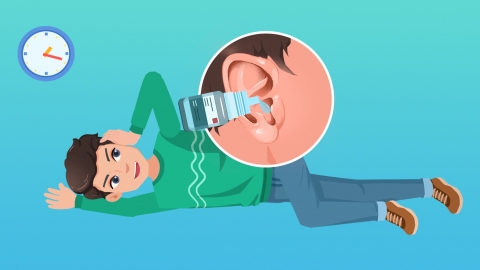
3. External otitis: Bacterial infection causes inflammation of the external auditory canal. Swelling of the inflamed mucosa compresses nerves, leading to tinnitus, along with ear pain and increased discharge. Patients may use ofloxacin ear drops, cefaclor capsules, and hydrogen peroxide solution under medical guidance to alleviate symptoms.
4. Otitis media: Caused by colds or Eustachian tube dysfunction, middle ear inflammation with fluid accumulation in the tympanic cavity affects sound conduction, resulting in tinnitus accompanied by ear blockage and muffled hearing. Under medical supervision, medications such as amoxicillin capsules, levofloxacin hydrochloride ear drops, and mometasone furoate nasal spray may be used to relieve discomfort.
5. Ménière's disease: Abnormal metabolism of inner ear lymph leads to endolymphatic hydrops, causing sudden tinnitus—often a low-frequency humming sound—accompanied by vertigo and a feeling of ear fullness. Patients may follow medical advice to use betahistine tablets, difenidol tablets, and mannitol injection to improve symptoms.
Maintain ear hygiene and avoid frequent ear picking; stay away from noisy environments, maintain regular作息 (sleep patterns), eat a light diet avoiding spicy and irritating foods, and manage emotional fluctuations to support ear health and reduce discomfort.


