


What causes pain in the cartilage groove of the ear when touched?

Generally, pain upon touching the cartilage groove of the ear may be caused by compression or impact, local friction, external otitis, infected sebaceous cysts, or auricular perichondritis. If discomfort occurs, it is recommended to seek timely medical evaluation and treatment at a reputable hospital. Specific causes are analyzed as follows:
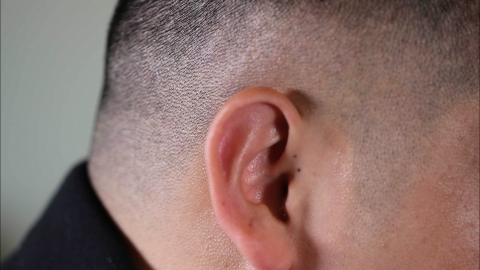
1. Compression or Impact
Pain can result from sleeping on one side and pressing the ear, wearing headphones too tightly, or accidental bumps, leading to soft tissue injury in the cartilage groove. The area becomes particularly painful when pressed. Avoid putting pressure on the affected ear, switch to looser-fitting headphones, and apply a cold compress initially to reduce swelling. After 48 hours, warm compresses may help promote healing.
2. Local Friction
Long-term wear of earrings or repeated rubbing from hat edges can irritate the cartilage groove, causing inflammation of the skin and underlying tissues, resulting in tenderness. Remove irritating jewelry, avoid further friction on the area, keep the site clean and dry, and wear loose, soft clothing to minimize irritation.
3. External Otitis
Inflammation caused by bacterial infection of the outer ear canal can spread to the cartilage groove, causing pain upon touch, often accompanied by itching and increased ear discharge. Treatment may include ofloxacin ear drops, cefradine capsules, or hydrogen peroxide solution as directed by a physician. Avoid inserting objects into the ear.
4. Infected Sebaceous Cyst
A blocked sebaceous gland in the cartilage groove may form a cyst, which can become infected, leading to redness, swelling, and pain that worsens with touch. Under medical guidance, topical mupirocin ointment, cefaclor capsules, or metronidazole tablets may be used. Once the infection is controlled, surgical removal of the cyst may be considered.
5. Auricular Perichondritis
Bacterial infection of the cartilage membrane of the ear leads to inflammation, causing congestion and swelling of the cartilage. Touching the groove results in severe pain, often accompanied by warmth and thickening of the ear. Immediate medical attention is required. Treatment may include cefuroxime axetil tablets, dexamethasone injection, and levofloxacin hydrochloride ear drops as prescribed. In severe cases, surgical incision and drainage of the perichondrial space may be necessary.
In daily life, maintain good ear hygiene and avoid frequent ear picking; choose comfortable, non-restrictive earrings and headphones; avoid prolonged pressure on one ear while sleeping; and address any pain promptly to prevent worsening or spreading of infection.


