


What should I do if there's too much earwax and my ears feel blocked?

Excessive earwax blocking the ear can be managed by using professional ear drops to soften the wax, gently cleaning with appropriate tools, seeking medical treatment, avoiding blind self-removal, and monitoring symptom changes. Proper management helps prevent ear canal injury. If symptoms such as ear pain, significant hearing loss, tinnitus, or ear canal bleeding occur, prompt medical attention is recommended.
1. Use professional ear drops to soften: Choose medical-grade sodium bicarbonate ear drops or similar products. Follow the instructions to instill drops into the ear canal daily for 3–5 consecutive days to soften hardened earwax, preparing for easier removal and avoiding scratches from forceful scraping.
2. Gently clean with tools: After softening, use a clean cotton swab or medical ear scoop to gently remove earwax at the outer edge of the ear canal. Keep hands steady during the process and only clean visible areas—do not insert tools deeply into the ear canal.
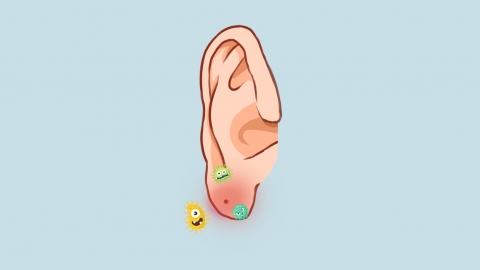
3. Seek professional medical treatment: If earwax blockage is severe or difficult to manage on your own, visit an otolaryngology (ENT) department. Doctors can use an otoscope to examine the ear and safely remove the wax with a suction device or specialized instruments, minimizing the risk of injury from self-attempted removal.
4. Avoid blind self-manipulation: Do not use sharp objects like toothpicks or hairpins to dig out earwax, avoid inserting cotton swabs too deeply into the ear canal, and refrain from forcefully removing hardened wax, as these actions may puncture the eardrum or cause ear canal inflammation.
5. Monitor symptom changes: After cleaning, observe whether hearing improves and the sensation of blockage subsides. If discomfort persists or worsens, stop self-treatment immediately and seek medical evaluation.
Routinely keep the ear canal dry. After bathing or swimming, use a clean cotton swab to gently absorb moisture from the outer ear canal. Avoid frequent ear digging, which may irritate the ear canal lining. Regular cleaning of the outer ear canal is sufficient—there's no need for excessive removal of inner earwax.


