


What should I do if I have a tonsil cyst?

Generally, the occurrence of tonsillar cysts may be caused by factors such as blockage of tonsillar crypts, abnormal mucosal gland secretion, chronic tonsillitis irritation, secondary tonsil stones, or suppurative inflammation. It is recommended to seek timely medical attention, identify the underlying cause, and then improve the condition under a doctor's guidance through general management, medication, surgical treatment, etc. Specific analyses are as follows:
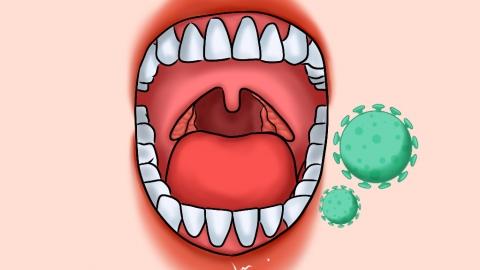
1. Blockage of tonsillar crypts: The surface crypts of the tonsils are prone to accumulate food debris and bacterial metabolites. Prolonged blockage leads to retention of secretions, gradually forming cysts. After meals, rinse the mouth with warm saline or compound chlorhexidine mouthwash to remove foreign materials from the crypts.
2. Abnormal mucosal gland secretion: Excessive secretion by glands beneath the tonsillar mucosa or narrowing of glandular ducts can obstruct the outflow of secretions, leading to cyst formation. Maintain a light, low-fat diet and avoid spicy or irritating foods that may stimulate glandular secretion.
3. Chronic tonsillitis irritation: Long-term inflammatory infiltration of the tonsils causes mucosal tissue hyperplasia and increases the likelihood of glandular duct blockage, resulting in cyst formation, often accompanied by a sensation of a foreign body in the throat. Follow your doctor’s instructions to use medications such as Pudilan anti-inflammatory oral liquid, Lanqin oral liquid, or cefaclor sustained-release tablets to control inflammation and reduce irritation.
4. Secondary to tonsil stones: Long-term compression of tonsillar tissue by stones can irritate mucosal glands and lead to cyst formation, possibly accompanied by bad breath and sore throat. Small stones can be removed by oral irrigators, while larger stones require medical removal. In cases of infection, take antibiotics such as amoxicillin capsules, metronidazole tablets, or roxithromycin capsules as directed by a physician.
5. Suppurative inflammation: Excessive growth and spread of oral bacteria into the tonsils can trigger suppurative inflammation, which may become encapsulated and form a cyst. For large cysts or recurrent infections, surgical excision of the tonsillar cyst may be performed to remove both the cyst and affected tissues, preventing recurrence and potential malignant transformation.
In daily life, avoid irritants such as smoking and alcohol, consume more fresh fruits and vegetables rich in vitamins to enhance mucosal repair capacity. Maintain regular sleep patterns and avoid staying up late; engage in moderate exercise to boost immunity. Comprehensive care helps reduce the risk of cyst recurrence and supports overall throat health.


