


What should I do if my ear is swollen to reduce the swelling?

Swelling of the ear may be caused by insect bites, pressure or irritation, external trauma, external otitis, or suppurative otitis media. Symptoms can be improved through local care, avoiding irritants, and medication. If swelling worsens or is accompanied by pain or pus discharge, prompt medical attention is necessary.
1. Insect bites: During summer or in outdoor environments, insect bites on the ear skin can introduce secretions that cause localized swelling and itching. It is recommended to clean the bite area with soapy water and apply cold compresses to relieve discomfort. Avoid scratching to prevent infection.
2. Pressure or irritation: Frequent rubbing, squeezing of the ears, or wearing tight headphones or earrings can impair local blood circulation and lead to swelling. It is advised to remove tight earrings, wear headphones loosely, avoid pressing on the ears, and allow the area sufficient rest.
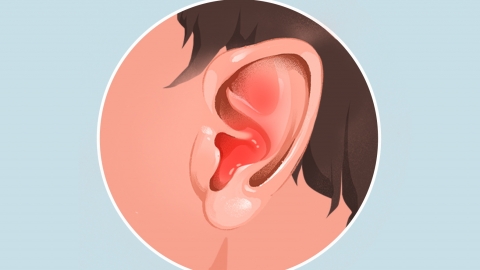
3. External trauma: Impact from collisions or pulling forces can damage soft tissues of the ear, resulting in swelling and tenderness upon pressure. It is recommended to apply cold compresses within the first 48 hours to reduce swelling, followed by warm compresses after 48 hours to promote absorption of bruising. Avoid further external trauma.
4. External otitis: Injury to the ear canal skin from ear picking or bacterial infection can trigger inflammation of the external ear canal, causing redness, swelling, and significant pain, which worsens when pressing on the tragus. Under a doctor's guidance, patients may use medications such as ofloxacin ear drops, cefaclor dispersible tablets, and ibuprofen sustained-release capsules to alleviate symptoms.
5. Suppurative otitis media: Bacterial infection of the middle ear causes inflammatory reactions, with inflammation spreading and leading to ear swelling, accompanied by ear pain, hearing loss, and pus discharge. Under medical guidance, medications such as amoxicillin capsules, lomefloxacin hydrochloride ear drops, and acetaminophen suspension may be used to relieve discomfort.
Maintain clean and dry ears, avoid water entering the ear canal, do not use sharp objects for ear cleaning, follow a light diet avoiding spicy and irritating foods, minimize local ear irritation, and support resolution of swelling.


