


What causes the constant feeling of liquid rising up in the throat, and what should I do about it?

There is often a sensation of fluid rising into the throat, which may be caused by overeating, lying down immediately after meals, gastroesophageal reflux disease (GERD), chronic gastritis, or functional dyspepsia. This can be improved through dietary adjustments, lifestyle changes, and medication. If the regurgitation occurs frequently or is accompanied by heartburn or chest pain, medical attention should be sought promptly.
1. Overeating: Consuming excessive amounts of food in a short time or binge eating increases pressure in the stomach, causing food and gastric acid to reflux into the throat and produce a sensation of regurgitation. It is recommended to eat smaller, more frequent meals, control portion sizes, and avoid large amounts of greasy or overly sweet foods at once.
2. Lying down immediately after eating: Lying flat right after a meal places the stomach in a horizontal position, making it easier for gastric acid and food to flow backward, leading to throat regurgitation. It is advised to remain upright or take a gentle walk for 30 minutes after eating, and to avoid eating within two hours before bedtime.
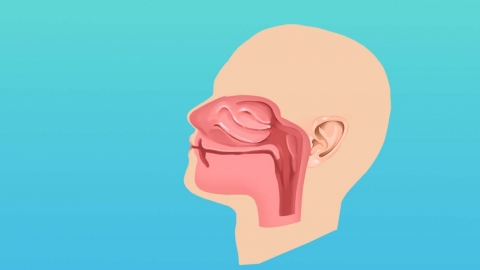
3. Gastroesophageal Reflux Disease (GERD): The lower esophageal sphincter becomes relaxed, allowing stomach acid and contents to frequently reflux into the esophagus and irritate the throat, often accompanied by heartburn and retrosternal pain. Under a doctor's guidance, medications such as omeprazole enteric-coated capsules, domperidone tablets, or hydrotalcite chewable tablets may be used to relieve symptoms.
4. Chronic Gastritis: Inflammation of the gastric mucosa impairs digestive function, leading to delayed gastric emptying and fermentation of food, which increases intra-gastric pressure and causes regurgitation. Symptoms may include dull upper abdominal pain and bloating. Patients may use rabeprazole sodium enteric-coated tablets, mosapride citrate tablets, or sucralfate suspension under medical supervision to alleviate discomfort.
5. Functional Dyspepsia: Insufficient gastrointestinal motility leads to slow digestion after eating, increased gas production in the stomach, and subsequent reflux of stomach contents, often associated with reduced appetite and belching. Under medical advice, patients may use medications such as Jianwei Xiaoshi oral liquid, domperidone suspension, or lactase tablets to improve symptoms.
Maintain a light and easily digestible diet, avoid spicy, raw, cold, overly sweet, or greasy foods, engage in mild physical activity after meals, maintain regular sleep patterns, and keep a positive mood to reduce triggers of gastric discomfort.


