


What should I do if my ear is discharging yellow fluid and forming crusts?

Under normal circumstances, yellow discharge and crusting in the ear may be caused by factors such as water trapped in the ear canal, improper ear cleaning damaging the mucous membrane, external auditory canal eczema, otitis externa, or otitis media. It is recommended to seek medical attention promptly, identify the underlying cause, and then improve symptoms under a doctor's guidance through general care, medication, and other treatments. A detailed analysis is as follows:
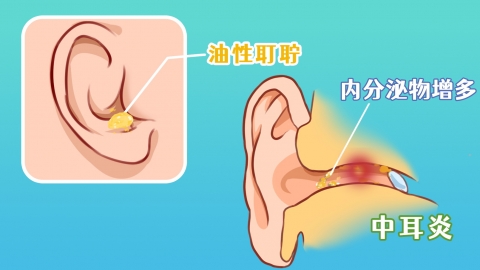
1. Water trapped in the ear canal: After bathing or swimming, water may enter the ear canal and remain there, promoting bacterial growth and causing inflammation, resulting in yellow discharge and crusting. Immediately use a clean, dry cotton swab to gently absorb moisture at the entrance of the outer ear canal, avoiding deep insertion. Use waterproof earplugs during future water exposure and keep the ear canal dry.
2. Mucosal damage from improper ear cleaning: Using sharp objects or excessive force when cleaning the ears can scratch the skin of the ear canal, leading to fluid leakage and crusting, which may easily lead to secondary infection. Stop ear-cleaning practices immediately. Gently wipe the crusted area at the entrance of the external auditory canal with a sterile cotton swab dipped in normal saline, taking care not to touch the damaged mucosa.
3. External auditory canal eczema: Inflammation of the ear canal skin triggered by allergies or humid environments, characterized by itching, yellow discharge, and crusting. Patients should follow medical advice to apply medications such as mometasone furoate cream, desonide cream, or hydrocortisone butyrate cream, and avoid allergens like pollen and animal dander.
4. Otitis externa: Bacterial infection causes congestion and swelling of the ear canal mucosa, leading to secretion of yellow pus and crusting, often accompanied by ear pain. Patients should use prescribed medications such as ofloxacin ear drops, cefradine capsules, or amoxicillin capsules. Avoid water entering the ear canal to prevent worsening infection.
5. Otitis media: Middle ear infection produces pus due to inflammatory irritation, which may rupture through the eardrum and flow into the ear canal, causing yellow discharge and crusting, along with hearing loss. Patients should take medications as directed by a physician, such as cefixime dispersible tablets, roxithromycin capsules, or levofloxacin hydrochloride ear drops. In severe cases, tympanoplasty (eardrum repair surgery) may be required to restore the eardrum and prevent further pus discharge.
In daily life, protect the ear canal by avoiding the use of fingers, hairpins, or other sharp objects for ear cleaning. Maintain a light diet and reduce intake of spicy or irritating foods. After washing hair or bathing, promptly dry the outer ear canal to minimize the risk of ear discomfort.


