


What causes a stinging pain when inhaling through the nose?

Nasal inhalation pain is generally caused by dry air, inhaling irritants, acute rhinitis, nasal vestibulitis, or atrophic rhinitis. It is recommended to seek medical attention promptly to determine the underlying cause and receive appropriate treatment under a doctor's guidance. Specific analyses are as follows:
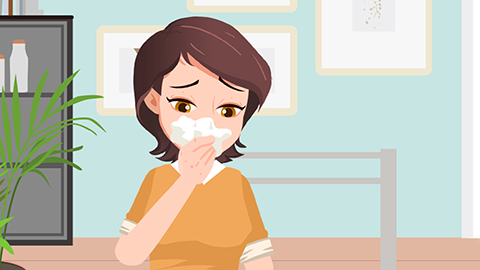
1. Dry Air: Prolonged exposure to low-humidity environments can lead to significant moisture loss in the nasal mucosa, causing it to become dry and fragile. When inhaling, airflow irritates the damaged mucosa, resulting in a stinging sensation. Use a humidifier indoors to maintain humidity levels between 50% and 60%, rinse the nasal cavity with saline solution 1–2 times daily, and drink plenty of warm water to maintain hydration.
2. Inhaling Irritating Substances: Inhaling dust, smoke, chemical fumes, or other irritants can directly damage the nasal mucosa, leading to pain upon inhalation. Immediately leave the polluted environment and breathe fresh air. Gently rinse the nasal cavity with clean water, and wear protective anti-dust and anti-toxin masks when outdoors.
3. Acute Rhinitis: Viral infections can trigger acute inflammation of the nasal mucosa, causing congestion, swelling, and increased sensitivity. Inhalation causes airflow to stimulate inflamed areas, resulting in pain, often accompanied by nasal congestion and runny nose. Patients may follow medical advice to use medications such as *Biyan Tongqiao Granules*, cefuroxime axetil tablets, or naphazoline hydrochloride nasal drops to relieve symptoms.
4. Nasal Vestibulitis: Inflammation of the nasal vestibule caused by bacterial infection or trauma from nose picking leads to redness, swelling, and erosion of the local skin. Inhalation directly irritates the affected area, causing pain. Follow medical advice to use medications such as mupirocin ointment, cefradine capsules, or *Huanglian Shangqing Tablets* for treatment.
5. Atrophic Rhinitis: Chronic exposure to external irritants may cause atrophy of nasal mucosal glands, reduced secretions, and dry, cracked mucosa. Pain during inhalation is prominent and often accompanied by easy bleeding. Patients may use medications such as compound menthol nasal drops, vitamin AD drops, or cod liver oil pills as directed by a physician, and avoid prolonged exposure to dry, dusty environments.
Maintain good nasal hygiene in daily life—avoid forceful nose-blowing and nose picking. Eat a light diet, consume more water-rich fruits such as pears and grapefruits, and reduce intake of spicy and irritating foods.


