


What should I do if my eardrum perforation keeps discharging pus and won't dry up?

Persistent pus discharge and failure to achieve a dry ear after eardrum perforation require timely, standardized management. This condition can generally be improved by following medical advice regarding the use of anti-infective ear drops, maintaining ear canal cleanliness and dryness, avoiding water entering the ear canal, adjusting diet, and undergoing regular follow-up evaluations. Specific measures are as follows:
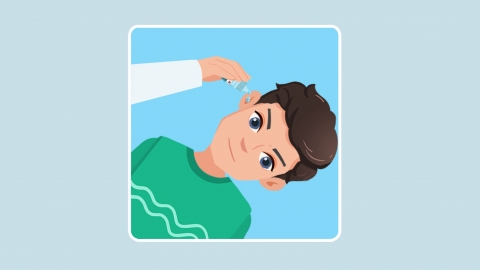
1. Use anti-infective ear drops as prescribed: Under a doctor's guidance, select appropriate anti-infective ear drops and administer them into the ear canal according to the recommended dosage and frequency. This helps inhibit bacterial growth, control inflammation, reduce pus secretion, and promote gradual drying of the ear canal.
2. Keep the ear canal clean and dry: Gently wipe away pus from the outer opening of the ear canal using a clean cotton swab. Avoid inserting the swab deeply into the ear canal to prevent further damage to the eardrum. Refrain from scratching the ear with fingers or unclean objects in daily life to reduce the risk of infection and support recovery toward a dry ear.
3. Prevent water from entering the ear canal: Use earplugs or cotton balls to block the ear canal during bathing or hair washing to prevent water entry. If water accidentally enters the ear, promptly use a clean cotton swab to absorb moisture from the outer opening to avoid prolonged moisture retention, which may worsen infection and lead to persistent pus discharge.
4. Adjust dietary habits: Maintain a light diet and avoid spicy, greasy, and irritating foods to reduce systemic inflammatory responses. Consume more foods rich in vitamins and protein to enhance immunity, assist in resolving ear canal inflammation, and promote eardrum healing.
5. Regular follow-up assessments: Return to the hospital for periodic checkups as advised by your doctor. Professional examinations can monitor the healing progress of the eardrum perforation and the status of ear canal inflammation, allowing timely adjustments to the treatment plan. If the perforation fails to heal over time or if inflammation recurs, further treatment options should be considered under medical guidance.
If persistent pus discharge occurs due to eardrum perforation, do not self-medicate or delay treatment. Seek immediate medical attention if symptoms such as worsening ear pain, fever, or significant hearing loss develop, to prevent disease progression and potential complications.


