


Why does my ear hole hurt when touched?

Ear pain upon touch may be caused by improper earring use, external pulling, otitis externa, suppurative otitis media, or ear eczema. Symptoms can be improved by adjusting earrings, avoiding irritation, and medical treatment. If the pain worsens or is accompanied by redness, swelling, or pus discharge, prompt medical attention is necessary.
1. Improper earring wearing: Allergic reactions to earring materials or overly tight earrings can compress and irritate the skin around the piercing site, causing pain and possibly mild local redness and swelling. It is recommended to immediately switch to hypoallergenic materials such as sterling silver or pure gold, and choose looser designs to prevent friction and pulling on the piercing.
2. External pulling: Frequent touching or pulling shortly after ear piercing, or sleeping in positions that press on the ears, can damage tissue around the piercing, resulting in tenderness upon contact. Minimize touching the pierced area and sleep in a supine position to avoid pressure on the ears, allowing adequate healing of the affected tissues.
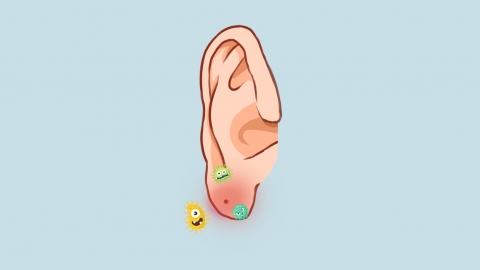
3. Otitis externa: Injury to the ear canal mucosa from excessive ear cleaning or bacterial infection can lead to inflammation of the external auditory canal. Inflammation causes pain around the piercing site, often accompanied by redness, swelling, and increased pain upon pressure. Under medical guidance, patients may use medications such as ofloxacin ear drops, cefaclor sustained-release capsules, and ibuprofen sustained-release capsules to relieve symptoms.
4. Suppurative otitis media: Bacterial infection of the middle ear leads to purulent inflammation, which may spread to the area surrounding the ear piercing, causing pain when touched, along with pus discharge from the ear and hearing loss. Under medical supervision, medications such as amoxicillin-clavulanate potassium dispersible tablets, lomefloxacin hydrochloride ear drops, and phenol-glycerin ear drops may be used to alleviate discomfort.
5. Ear eczema: Exposure to allergens or a moist ear canal environment may trigger eczema on the ear. When eczema affects the piercing site, it causes pain and itching, along with flaking skin and increased secretions. As directed by a physician, patients may use calamine lotion, dexamethasone cream, or loratadine tablets to manage symptoms.
Maintain cleanliness and dryness of the ear piercing. Avoid frequent ear picking and exposure to contaminated water. Use gentle, non-irritating care products. Follow a light diet, avoiding spicy foods, and maintain regular sleep patterns to support tissue recovery.


