


What does it mean when there is a blood clot inside the ear?

Blood clots in the ear may result from conditions such as external auditory canal injury, minor tympanic membrane rupture, otitis externa, otitis media, or secondary infection of external auditory canal eczema. These can be managed through avoiding irritants, local care, and medical treatment. If blood clots recur or are accompanied by ear pain or hearing loss, prompt medical attention is necessary.
1. External auditory canal injury: Excessive force or use of sharp tools during ear cleaning may scratch the skin of the ear canal, causing blood vessels to rupture and bleed, leading to clot formation, possibly accompanied by mild local pain. It is recommended to avoid self-cleaning the ears. If the clot does not block the ear canal, it may not require immediate intervention; keep the ear canal dry and clean.
2. Minor tympanic membrane rupture: Sneezing, forceful nose-blowing, or minor trauma may cause a small tear in the eardrum with subsequent bleeding and clot formation, possibly accompanied by temporary ear fullness and slight hearing loss. Avoid water entering the ear and refrain from forceful nose-blowing. Minimize exposure to loud sounds and seek timely medical evaluation of the eardrum.
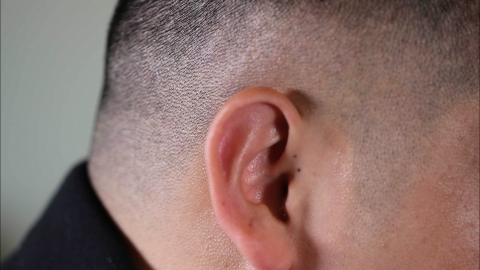
3. Otitis externa: Bacterial infection causes inflammation of the external auditory canal, resulting in mucosal congestion, erosion, and bleeding that forms clots, accompanied by ear pain and increased discharge. Under medical guidance, patients may use medications such as ofloxacin ear drops, cefaclor dispersible tablets, and ibuprofen sustained-release capsules to relieve symptoms.
4. Otitis media: Middle ear infection leads to mucosal swelling, congestion, and vessel rupture; blood may flow out through a perforated eardrum and coagulate into clots, accompanied by ear pain, tinnitus, and pus discharge. Under medical supervision, medications such as amoxicillin capsules, lomefloxacin hydrochloride ear drops, and phenol-glycerin ear drops may be used to alleviate discomfort.
5. Secondary infection of external auditory canal eczema: Eczema causes itching and erosion of the ear canal skin; scratching may lead to skin breaks, bleeding, and clot formation, accompanied by flaking and fluid exudation. As directed by a physician, patients may use calamine lotion, dexamethasone cream, and cephalexin capsules to improve symptoms.
Maintain clean and dry ear canals, avoid frequent ear picking and forceful nose-blowing. Take precautions during bathing to prevent water entry. Follow a light diet rich in fruits and vegetables, and avoid spicy and irritating foods to protect the ear's mucosal lining.


