


Why does my throat hurt after sleeping with the air conditioner on, and what should I do?

Generally, sore throat after sleeping in an air-conditioned environment may be caused by dry air, sudden temperature changes, acute pharyngitis, allergic pharyngitis, tonsillitis, or other factors. Patients can improve symptoms through general management, medications, or surgical treatment depending on the specific condition. Detailed analysis is as follows:
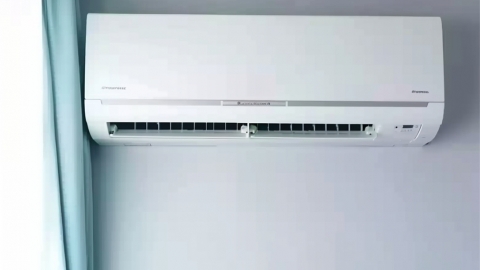
1. Dry Air
Air conditioners remove moisture from indoor air during operation, reducing humidity. This causes the throat's mucous membrane to lose water, become brittle, and result in dryness and pain. To prevent this, place a basin of water indoors before going to bed, use a humidifier to maintain indoor humidity between 40% and 60%, and drink warm or cool water immediately upon waking to soothe the throat.
2. Sudden Temperature Change
Excessively low temperatures in air-conditioned rooms cause blood vessels in the throat’s mucous membrane to constrict during sleep. When exposed to warmer outdoor air upon waking, the rapid expansion of these blood vessels can stimulate nerves and cause pain. Adjust the air conditioner to a temperature between 24–26°C, ensure airflow does not blow directly toward the head, and wear a light jacket when getting up to gradually adapt to room temperature.
3. Acute Pharyngitis
Dust accumulation in air conditioner filters promotes bacterial growth. These bacteria enter the throat via airflow, triggering acute inflammation characterized by swollen, red, and painful mucosa, often accompanied by dryness and coughing. Under medical guidance, patients may take Lanqin Oral Liquid, Amoxicillin Capsules, or Ribavirin Granules. Regular cleaning of air conditioner filters is also recommended.
4. Allergic Pharyngitis
Allergens such as dust mites and mold in air conditioners can irritate the throat’s mucous membrane, causing allergic reactions with symptoms including throat pain, itching, and sneezing. As directed by a physician, antiallergic medications like Cetirizine Hydrochloride Tablets, Budesonide Suspension, or Montelukast Sodium Chewable Tablets may be used. Clean the air conditioner filter and evaporator weekly.
5. Tonsillitis
In air-conditioned environments, reduced immunity may allow bacteria to invade the tonsils, leading to inflammation, redness, swelling, or even pus formation, resulting in sore throat and difficulty swallowing. Under medical supervision, patients may take Cefaclor Capsules, Pudilan Anti-inflammatory Oral Liquid, or Paracetamol (Acetaminophen) tablets. For recurrent cases, tonsillectomy may be considered.
When using air conditioning, ventilate the room regularly by opening windows; avoid prolonged stays in air-conditioned spaces—take a break outdoors every 1–2 hours; maintain a light diet and consume more throat-soothing foods such as pears and white fungus. If sore throat persists or worsens, seek timely medical evaluation to determine the underlying cause.


