


What should I do if a tumor develops inside a nasal polyp?

When a tumor develops within a nasal polyp, it is important to seek timely medical evaluation, determine the nature of the tumor, develop targeted treatment, follow postoperative care instructions, and undergo regular follow-up monitoring. Malignant potential should be prioritized and ruled out promptly to avoid delays in treatment. Immediate medical attention is recommended if symptoms such as worsening nasal congestion, nosebleeds, headaches, or facial numbness occur.
1. Timely Medical Evaluation: Visit an otolaryngology (ENT) department as soon as possible. Diagnostic tools such as nasal endoscopy, sinus CT, or MRI can help accurately identify the tumor's location, size, and its relationship with surrounding tissues, providing essential information for diagnosis and preventing inappropriate management.
2. Determine Tumor Nature: A pathological biopsy is required to distinguish between benign and malignant tumors. Benign tumors generally have a good prognosis, while malignant ones require early intervention. The histopathological result is the cornerstone for developing an effective treatment plan, so accuracy in diagnosis must be ensured.
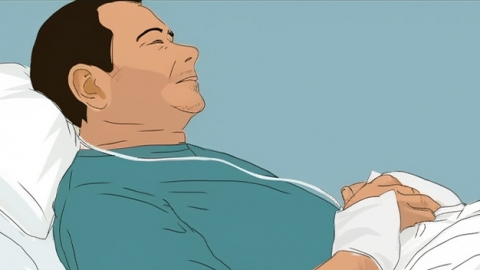
3. Develop Targeted Treatment: For benign tumors, endoscopic surgery can be performed to remove the growth while preserving normal nasal structure. For malignant tumors, a comprehensive approach based on cancer staging—such as surgical resection combined with radiotherapy and chemotherapy—is necessary to maximize tumor clearance.
4. Postoperative Care: Follow medical advice regarding medication after surgery. Maintain nasal hygiene, avoid forceful nose-blowing or picking the nose, minimize nasal irritation, support mucosal healing at the surgical site, and reduce risks of infection or recurrence.
5. Regular Follow-Up Monitoring: Attend scheduled follow-up appointments involving endoscopy and imaging studies. For benign tumors, monitor for recurrence; for malignant cases, screen for possible metastasis. Adjust treatment or care strategies promptly based on findings.
After surgery, ensure indoor air is well-ventilated and adequately humidified. Maintain a light, easily digestible diet, avoid spicy or irritating foods, follow a regular sleep schedule to prevent fatigue, and engage in moderate exercise to strengthen immunity. These measures help prevent respiratory infections and support recovery of nasal function.


