


What causes dry throat in elderly people?

Generally, dry throat in elderly individuals may be caused by salivary gland atrophy, insufficient water intake, chronic pharyngitis, diabetes, Sjögren's syndrome, or other reasons. If discomfort occurs, it is recommended to seek timely medical evaluation and treatment at a正规 hospital. Specific analyses are as follows:
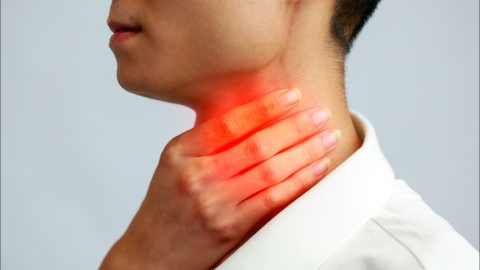
1. Salivary gland atrophy: With aging, salivary gland function declines, leading to reduced saliva secretion. The pharyngeal mucosa loses moisture and protection, resulting in a sensation of dryness. It is advisable to drink small amounts of lukewarm or cool water frequently, chew sugar-free gum to stimulate saliva production, and avoid excessively salty or dry foods.
2. Insufficient water intake: Elderly people often have diminished thirst sensation and may fail to replenish fluids promptly, causing dehydration of the pharyngeal mucosa and a dry, uncomfortable feeling. Aim to drink about 1500 mL of water daily, with moderate intake upon waking, after meals, and before bedtime. Keep a glass of warm water by the bedside for easy access.
3. Chronic pharyngitis: Long-term irritation leads to chronic inflammation of the pharyngeal mucosa, causing mucosal congestion and dryness, often accompanied by a foreign body sensation. Treatment may include physician-recommended use of Yinhuang lozenges, compound borax mouthwash, or Lanqin oral liquid. Avoid exposure to environments with油烟 (cooking fumes) and dust.
4. Diabetes: Poor blood glucose control results in hyperglycemia, increasing urine output and causing bodily dehydration, which manifests as dry throat along with increased thirst and urination. Under medical guidance, medications such as glimepiride tablets, metformin hydrochloride sustained-release tablets, or insulin injections may be prescribed. Strict dietary control of sugar intake is essential.
5. Sjögren's syndrome: Autoimmune abnormalities damage the salivary glands, sharply reducing saliva production. Dry throat progressively worsens and is often accompanied by dry eyes. Treatments under medical supervision may include hydroxychloroquine tablets, total glucosides of paeony capsules, or artificial saliva. In severe cases, salivary gland transplantation may be required.
In daily life, maintain indoor humidity between 40% and 60%; follow a light, easily digestible diet, and consume more throat-moistening foods such as pears and silver ear fungus; regularly monitor blood glucose levels and actively manage underlying conditions; seek prompt medical evaluation if persistent dry mouth occurs to identify the cause.


