


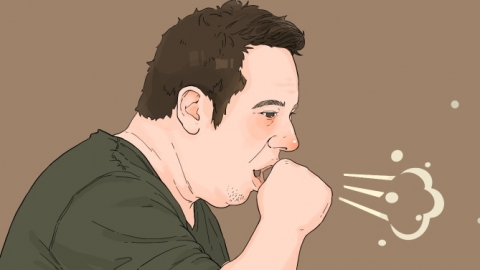
What should I do if rhinitis causes severe coughing?

Severe coughing due to rhinitis should be managed by controlling the underlying rhinitis, relieving respiratory irritation, following standardized medication, improving environmental humidity, and adjusting dietary habits. The key is to reduce postnasal drip that irritates the throat. If cough persists for more than one week and is accompanied by fever, chest pain, or difficulty breathing, prompt medical attention is recommended.
1. Control the underlying rhinitis: Avoid allergens such as pollen and dust mites. Use saline nasal irrigation to reduce inflammatory nasal secretions, thereby minimizing postnasal drip and associated irritative cough at its source.
2. Relieve respiratory tract irritation: Avoid exposure to cold air, smoke, and strong odors. Wear a mask when outdoors to keep the airways moist, reduce sensitivity of the throat mucosa, and decrease the frequency of coughing episodes.
3. Standardized medication: Use intranasal corticosteroids and antihistamines as prescribed to control rhinitis. For severe cough, cough suppressants or expectorants may be added under medical guidance. Do not self-medicate or discontinue treatment without consulting a doctor.
4. Improve environmental humidity: Use a humidifier to maintain indoor humidity between 50% and 60%. This helps prevent dry air from worsening throat discomfort and reduces frequent coughing caused by dry mucous membranes.
5. Adjust diet: Eat light, easily digestible foods and drink plenty of water. Avoid spicy, greasy, and overly sweet foods to minimize throat irritation and support the repair of respiratory mucosa.
Maintain good indoor ventilation and cleanliness; regularly wash bedding to reduce allergens. Maintain regular sleep patterns and avoid staying up late to strengthen immunity. Engage in moderate, gentle exercise to aid recovery, but avoid intense physical activity that may trigger coughing.


