


Why do ear piercings smell, and what should be done about it?

Ear odor may result from accumulated secretions, improper cleaning, external otitis, otitis media, or sebaceous cysts. It can be improved through regular cleaning, better care practices, and medical treatment. If the odor persists or is accompanied by redness, swelling, or pus discharge, prompt medical attention is necessary.
1. Accumulated Secretions: The skin around the ear piercing naturally secretes oils and sweat, which, when mixed with dust and left to accumulate over time, can lead to bacterial breakdown and produce an unpleasant smell. This condition usually does not cause other discomfort. It is recommended to gently wipe the piercing and surrounding area with a sterile cotton swab dipped in saline solution and regularly remove buildup.
2. Improper Cleaning: Failure to clean the piercing regularly or not disinfecting earrings before wearing allows dirt and debris to remain, promoting bacterial growth and causing odor, possibly accompanied by mild itching. It is advised to wipe the earring and piercing area daily with alcohol wipes and avoid wearing unclean jewelry.
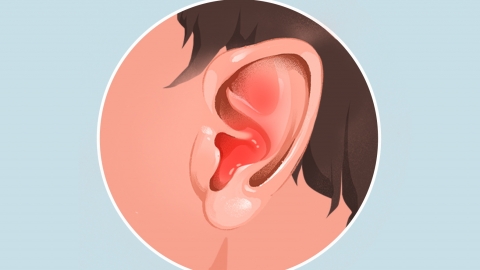
3. External Otitis: Bacterial or fungal infection of the outer ear canal causes inflammation and exudation of the mucosa, leading to increased foul-smelling discharge along with redness, swelling, and pain in the ear canal. Patients may use medications such as ofloxacin otic solution, cefaclor dispersible tablets, or loratadine tablets under medical guidance to relieve symptoms.
4. Otitis Media: Bacterial infection causing middle ear inflammation results in purulent discharge that emits a foul odor when draining through the ear canal, often accompanied by ear pain and tinnitus. It is recommended to take medications such as amoxicillin capsules, levofloxacin hydrochloride otic solution, or ibuprofen sustained-release capsules under a doctor’s supervision to alleviate discomfort.
5. Sebaceous Cyst: Blockage of sebaceous glands near the ear piercing leads to accumulation of sebum, which may become infected and form a cyst emitting a foul smell, along with localized redness, tenderness, and pain. Under medical advice, patients may use cefixime dispersible tablets, metronidazole gel, or mupirocin ointment to improve symptoms.
Keep the pierced area dry and well-ventilated, choose hypoallergenic materials such as sterling silver or pure gold for earrings, avoid frequent touching or squeezing, and perform cleaning gently to minimize irritation and support healing.


