


What causes nosebleeds in the morning during autumn, and what should be done about it?

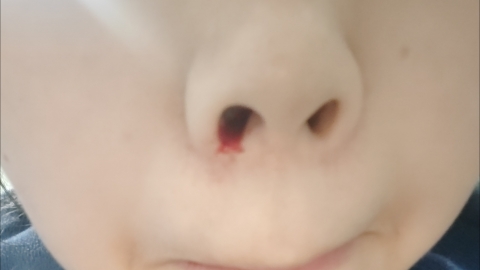
Epistaxis (nosebleeds) in the morning during autumn may be caused by dry air, nose-picking habits, rhinitis, sinusitis, or nasal mucosal erosion. These can be improved through nasal moisturizing, habit correction, and medication. If nosebleeds occur frequently or involve heavy bleeding, prompt medical attention is recommended.
1. Dry Air: In autumn, low humidity causes the nasal mucosa to lose moisture overnight, making blood vessels more fragile and prone to rupture upon waking, typically resulting in mild, unilateral bleeding. It is recommended to use a humidifier indoors before bedtime and apply saline nasal spray upon waking to keep the nasal passages moist and reduce mucosal dryness.
2. Nose-Picking Habit: Regularly picking or rubbing the nose with hands can damage the delicate blood vessels in the nasal mucosa. This becomes more likely to cause bleeding in autumn when the mucosa is already dry, and may be accompanied by nasal itching. It is advised to correct the habit of picking or rubbing the nose. When experiencing discomfort, gently wipe with a cotton swab instead of using fingers directly.
3. Rhinitis: Allergic rhinitis triggered by allergens such as pollen or dust mites leads to congestion, swelling, and dilated blood vessels in the nasal mucosa, which are prone to rupture. Nosebleeds may occur along with sneezing and runny nose. Under medical guidance, medications such as mometasone furoate nasal spray, loratadine syrup, and Biyuan Tongqiao granules may be used to relieve symptoms.
4. Sinusitis: Bacterial infection causing sinus inflammation can irritate the nasal mucosa, increasing vascular fragility. Nosebleeds may accompany thick yellow nasal discharge and nasal congestion. Patients may use medications such as cefaclor for oral suspension, Biyanshu oral solution, and physiological seawater nasal spray under medical supervision to alleviate symptoms.
5. Nasal Mucosal Erosion: Prolonged inflammation or dryness can lead to erosion of the nasal mucosa, exposing blood vessels that are easily damaged, leading to morning nosebleeds and a burning sensation in the nose. As directed by a physician, topical treatments such as recombinant bovine basic fibroblast growth factor gel, erythromycin ointment, and vitamin AD drops may help improve symptoms.
Maintain appropriate indoor humidity, drink plenty of water to stay hydrated, avoid forceful nose-blowing, consume more vegetables and fruits, reduce intake of spicy and irritating foods, and protect the nasal mucosa to minimize the risk of bleeding.


