


Why does swallowing cause ear pain, and what should I do about it?

Ear pain when swallowing saliva may be caused by swallowing-related traction, ear exposure to cold, acute otitis media, external otitis, or eustachian tube inflammation. Symptoms can be improved by adjusting swallowing habits, keeping the ears warm, and medical treatment. If the pain persists or worsens, or is accompanied by ear discharge or fever, prompt medical attention is necessary.
1. Swallowing-related traction: Frequent or forceful swallowing causes contraction of throat muscles, which pulls on the eustachian tube and leads to referred ear pain, typically brief and sharp. It is recommended to slow down the swallowing pace, avoid large swallows, and reduce frequent swallowing to minimize muscle strain.
2. Cold-induced ear irritation: Inadequate ear protection from cold leads to vasoconstriction around the ear, impairing local blood circulation. During swallowing, increased sensitivity of ear nerves may trigger pain. It is advised to wear more clothing, apply a warm towel to the ears, and avoid direct exposure to wind.
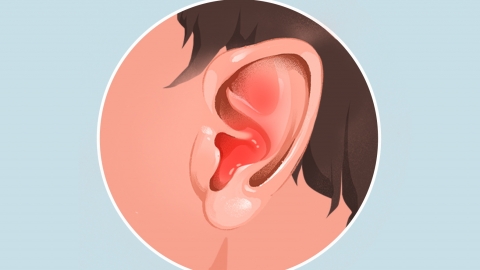
3. Acute otitis media: Bacterial or viral infection causes inflammation of the middle ear mucosa. The inflammatory irritation results in ear pain, which intensifies during swallowing due to movement of the eustachian tube. Symptoms may include ear fullness and hearing loss. Under medical guidance, patients may use medications such as cefaclor dry suspension, ibuprofen suspension, and ofloxacin ear drops to relieve symptoms.
4. External otitis: Caused by ear canal injury from ear picking or water contamination, leading to infection, congestion, and swelling of the ear canal mucosa. Pain occurs during swallowing due to muscle movement pulling on the inflamed area, often accompanied by itching and increased ear discharge. Under medical supervision, medications such as amoxicillin-clavulanate potassium granules, acetaminophen suspension drops, and hydrogen peroxide solution may be used to alleviate discomfort.
5. Eustachian tube inflammation (Eustachian tube dysfunction): Inflammation of the eustachian tube due to infection or irritation causes narrowing of the tube lumen, disrupting ventilation. Pressure changes during swallowing stimulate the ear, causing pain along with throat discomfort and ear pressure. As directed by a physician, medications such as Pudilan anti-inflammatory oral liquid, cefixime granules, and physiological seawater nasal spray may help improve symptoms.
To prevent further issues, keep the ears clean and dry, avoid water entering the ear canal, maintain a light diet avoiding spicy and irritating foods, drink plenty of warm water to soothe the throat, follow a regular sleep schedule to ensure adequate rest, stay warm, and minimize swallowing-related stimulation to the ears.


