What causes pain in the ear gate (ear door)?
Nov 28, 2025
Source: Cainiu Health

Dr. Lu Cheng
Introduction
In general, ear pain may be caused by trauma from external force, prolonged pressure around the ear, furuncle of the external auditory canal, acute otitis media, temporomandibular joint disorder syndrome, or other reasons. It is recommended to seek medical attention promptly, identify the underlying cause, and receive symptomatic treatment under a doctor's guidance. Maintain good ear hygiene in daily life and avoid cleaning ears with sharp objects.
Generally, ear pain may be caused by external trauma, prolonged pressure around the ear, external auditory canal furuncle, acute otitis media, temporomandibular joint disorder syndrome, and other reasons. It is recommended to seek timely medical attention to identify the underlying cause and receive appropriate treatment under a doctor's guidance. Specific analysis is as follows:
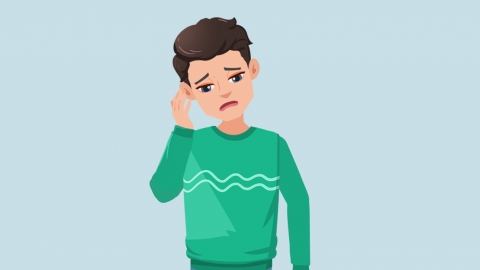
1. External Trauma: When the ear is struck by a slap or hit by a hard object, the skin and subcutaneous tissues at the ear entrance can be damaged, causing pain. Immediate cold compresses can help reduce swelling and pain; after 48 hours, switch to warm compresses to promote blood circulation. Avoid rubbing the affected area, and if there is any skin breakage, disinfect with iodophor.
2. Prolonged Pressure Around the Ear: Long-term side sleeping, wearing tight headphones or hats can impair local blood circulation around the ear, leading to pain. Adjust sleeping posture to avoid pressing on one ear continuously, choose loose and comfortable headphones and hats, and remove headphones every hour to allow ear movement.
3. External Auditory Canal Furuncle: Bacterial infection of hair follicles in the ear canal leads to furuncle formation, with inflammation spreading to the ear entrance causing pain, accompanied by redness and swelling of the ear canal. Patients may use medications such as lomefloxacin hydrochloride ear drops, cefuroxime axetil tablets, and ichthammol ointment as directed by a physician. Avoid squeezing the furuncle to prevent spread of infection.
4. Acute Otitis Media: Bacterial or viral infections cause middle ear inflammation, stimulating nerves around the ear entrance and resulting in pain, often accompanied by hearing loss and tinnitus. Treatment may include amoxicillin-clavulanate potassium tablets, phenol glycerin ear drops, and Pudilan anti-inflammatory oral liquid as prescribed, along with proper ear canal cleaning and care.
5. Temporomandibular Joint Disorder Syndrome: Poor chewing habits or joint overuse can lead to temporomandibular joint dysfunction, causing referred pain to the ear region, which worsens during opening the mouth or chewing. Medications such as ibuprofen sustained-release capsules, glucosamine hydrochloride capsules, and diclofenac diethylamine gel may be used as directed. In severe cases, temporomandibular joint reconstruction surgery may be performed to repair joint structure and relieve pain.
Maintain good ear hygiene in daily life and avoid using sharp objects to clean ears. Avoid excessively hard foods to reduce strain on the temporomandibular joint. Protect the ears during physical activities to prevent external injuries, and adopt comprehensive preventive measures to avoid recurrent ear pain.