


What causes bleeding from the left ear?

Generally, bleeding from the left ear may be caused by improper ear cleaning leading to injury, foreign body irritation in the external auditory canal, external otitis, tympanic membrane perforation, or middle ear cholesteatoma. It is recommended to seek medical attention promptly, identify the underlying cause, and receive symptomatic treatment under a doctor's guidance. Specific analysis is as follows:
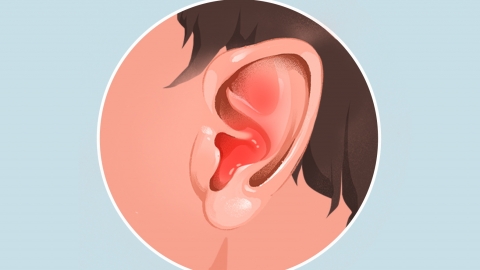
1. Injury due to improper ear cleaning: Using sharp objects or excessive force to clean the left ear canal may scratch the skin of the ear canal, causing bleeding. Immediately stop cleaning the ear, gently press with a clean cotton swab to stop the bleeding, and keep the ear canal dry to prevent infection from water exposure.
2. Foreign body irritation in the external auditory canal: Small insects, sand particles, or other foreign bodies entering the left ear canal may struggle or rub against the mucosa, causing damage and bleeding. Do not attempt self-removal; instead, have a physician remove the object using professional instruments to avoid secondary injury.
3. External otitis: Bacterial infection in the left ear canal leads to inflammation, resulting in mucosal congestion, erosion, and bleeding, often accompanied by ear pain and discharge. Patients should follow medical advice to use medications such as lomefloxacin hydrochloride ear drops, cefradine capsules, and hydrogen peroxide solution.
4. Tympanic membrane perforation: Trauma from physical impact or exposure to loud noises can cause rupture of the left eardrum, resulting in slight bleeding along with hearing loss and tinnitus. Small perforations may heal spontaneously. Maintain ear canal cleanliness and take antibiotics such as amoxicillin-clavulanate potassium tablets, ofloxacin ear drops, or cefaclor capsules as prescribed to prevent infection.
5. Middle ear cholesteatoma: Abnormal proliferation of epithelial tissue within the middle ear forms a cholesteatoma, which erodes surrounding tissues and causes bleeding, often associated with foul-smelling ear discharge and progressive hearing loss. Treatment typically involves tympanoplasty combined with cholesteatoma removal surgery to excise the lesion and reconstruct middle ear structures, halting disease progression.
Routinely avoid using fingers, hairpins, or other objects to clean the ears. Use waterproof earplugs during bathing or swimming. Stay away from high-decibel noise environments and protect the ears from physical trauma. Regularly clean the area around the ears to maintain proper ear hygiene.


