


What causes tinnitus in 16-year-olds?

Generally, tinnitus in 16-year-olds may be caused by prolonged use of headphones for listening to music, excessive academic pressure, external otitis, secretory otitis media, sudden sensorineural hearing loss, or other reasons. It is recommended to seek medical attention promptly, identify the underlying cause, and receive symptomatic treatment under a doctor's guidance. Specific analysis is as follows:
1. Prolonged headphone use for listening to music: Listening at high volumes for extended periods can damage cochlear hair cells due to sound wave stimulation, leading to tinnitus. Reduce headphone usage immediately—limit each session to no more than 30 minutes and keep volume below 40% of maximum. Opt for external speakers or bone-conduction headphones when possible.
2. Excessive academic pressure: Heavy workloads causing mental stress and insufficient sleep may disrupt auditory nerve regulation, resulting in tinnitus. Plan study schedules rationally, ensure 8 hours of sleep daily, relieve stress through physical exercise or listening to calming music, and avoid overworking the brain before bedtime.
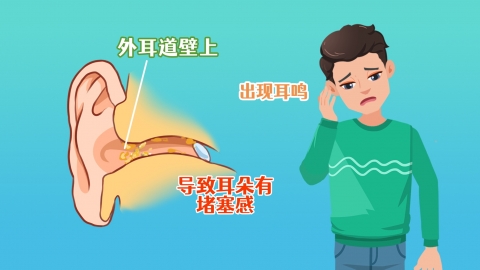
3. External otitis: Bacterial infection caused by improper ear cleaning or water entering the ear canal leads to inflammation that irritates the ear canal mucosa, causing tinnitus along with ear pain and discharge. Patients should follow medical advice to use medications such as lomefloxacin hydrochloride ear drops, cefaclor dry suspension, and hydrogen peroxide solution.
4. Secretory otitis media: Eustachian tube blockage triggered by colds or rhinitis results in fluid accumulation in the middle ear, causing tinnitus accompanied by hearing loss and a feeling of fullness in the ear. Medications such as mometasone furoate nasal spray, eucalyptus oil and pinene enteric-coated soft capsules, and amoxicillin-clavulanate potassium tablets may be used under medical supervision.
5. Sudden sensorineural hearing loss: Caused by viral infection or insufficient blood supply to the inner ear, tinnitus is a typical symptom, often accompanied by a sharp decline in hearing. Immediate treatment is required. Medications such as ginkgo biloba extract injection, mecobalamin injection, and dexamethasone sodium phosphate injection may be administered as prescribed. Hyperbaric oxygen therapy may be added if necessary.
Maintain good ear hygiene in daily life and avoid using sharp objects to clean the ears. Eat a diet rich in zinc and vitamins, such as nuts, eggs, and fresh fruits and vegetables. Treat colds promptly and avoid forceful nose-blowing to prevent secondary ear infections.


