


What should I do if there are blood clots in my nose upon waking up in the morning?

Blood clots in the nose upon waking may result from nighttime nasal dryness, forceful rubbing of the nasal cavity, acute rhinitis, sinusitis, or atrophic rhinitis. These conditions can be improved by moisturizing the nasal passages, avoiding irritants, and medical treatment. If clots occur frequently or are accompanied by nosebleeds or headaches, prompt medical attention is necessary.
1. Nighttime nasal dryness: Breathing during sleep causes moisture loss from the nasal mucosa, increasing blood vessel fragility and risk of rupture. The resulting blood then coagulates into clots, often accompanied by a dry sensation in the nose. It is recommended to use a humidifier before bedtime or apply saline nasal sprays to keep the nasal passages moist and reduce mucosal damage caused by dryness.
2. Forceful rubbing of the nasal cavity: Unconscious rubbing of the nose during sleep or blowing the nose too hard can damage blood vessels in the nasal mucosa, leading to clot formation after bleeding. Avoid aggressive rubbing or nose-blowing. When experiencing discomfort, gently wipe with a cotton swab to minimize mechanical injury.
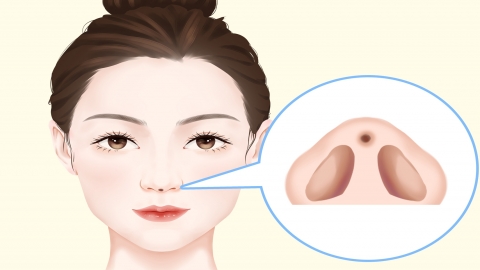
3. Acute rhinitis: Viral or bacterial infections cause acute inflammation of the nasal mucosa, leading to congestion, swelling, and easy bleeding. Blood then coagulates into clots, often accompanied by nasal congestion and clear nasal discharge. Under a doctor's guidance, patients may use medications such as oxymetazoline hydrochloride nasal drops, Biyuan Tongqiao Granules, or cefuroxime axetil tablets to relieve symptoms.
4. Sinusitis: Infection-induced inflammation of the sinus mucosa irritates the nasal lining, causing congestion and bleeding that forms clots, along with headache and thick yellow or green nasal discharge. Under medical supervision, treatments such as budesonide nasal spray, amoxicillin-clavulanate potassium dispersible tablets, or Tongqiao Biyan tablets may be used to alleviate symptoms.
5. Atrophic rhinitis: Drying and thinning of the nasal mucosa expose blood vessels, making them prone to rupture and bleed, with subsequent clot formation. Symptoms include nasal burning and reduced sense of smell. As directed by a physician, patients may use compound menthol nasal drops, vitamin AD drops, or saline nasal irrigation solutions to improve symptoms.
Maintain proper indoor humidity, drink plenty of water to stay hydrated, include heat-clearing and moistening foods such as pear and winter melon in the diet, avoid spicy and irritating foods, refrain from picking the nose, and maintain regular作息 (sleep patterns) to protect the health of the nasal mucosa.


