


Why does runny nose in the morning recover spontaneously during the day

Generally, morning rhinorrhea that resolves spontaneously during the day may be caused by nighttime cold air irritation, accumulation of nasal secretions during sleep, allergic rhinitis, vasomotor rhinitis, or chronic simple rhinitis. It is recommended to seek timely medical evaluation to identify the underlying cause and receive appropriate symptomatic treatment under a doctor's guidance. Specific analyses are as follows:
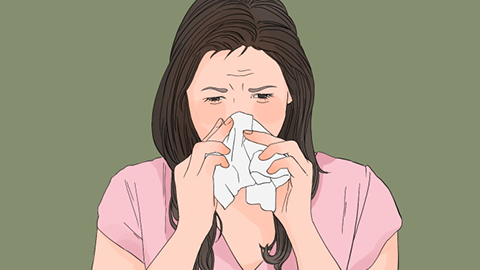
1. Cold air irritation at night: Leaving windows or doors open during sleep allows cold air to irritate the nasal mucosa, causing congestion and increased secretion, resulting in morning runny nose. Closing windows and doors before bedtime, using a humidifier in the bedroom to maintain proper humidity, and drinking a cup of warm water upon waking can help warm the body and naturally relieve symptoms.
2. Accumulation of nasal secretions: Nasal motility slows during sleep, leading to natural buildup of secretions, which may flow out upon postural changes in the morning. Maintaining regular nasal hygiene is important; gently rinsing the nasal cavity with normal saline before bedtime can reduce residual secretions.
3. Allergic rhinitis: Triggered by allergens such as dust mites or bedding particles, symptoms are typically worse in the morning and improve during the day when away from the allergens. Patients may use medications such as cetirizine hydrochloride tablets, loratadine syrup, or budesonide nasal spray as directed by a physician.
4. Vasomotor rhinitis: Fluctuations in temperature stimulate nasal blood vessels to constrict and dilate, triggering symptoms in the morning due to cold air exposure, with improvement once ambient temperature stabilizes. Treatment may include mometasone furoate nasal spray, montelukast sodium chewable tablets, or azelastine hydrochloride nasal spray, as prescribed by a doctor.
5. Chronic simple rhinitis: Chronic nasal mucosal congestion leads to increased nocturnal secretions and morning rhinorrhea, with symptoms lessening during daytime activity. If medication fails, partial turbinectomy may be considered to reduce inferior turbinate volume, thereby improving nasal airflow and reducing secretions.
Routine measures include regularly cleaning bed linens to prevent dust accumulation, dressing appropriately for outdoor temperatures to minimize nasal irritation, avoiding spicy foods, and consuming more vitamin-rich fruits and vegetables to strengthen nasal mucosal resistance.


