


What causes hard lumps in the ear?

Hard lumps in the ear may be caused by accumulated earwax, skin keratosis, external auditory canal furuncles, otitis externa, or sebaceous cysts. These conditions can be improved through proper cleaning, local care, or medication. If the lump increases in size, pain worsens, or is accompanied by pus discharge, prompt medical attention is necessary.
1. Earwax buildup: When earwax is not cleaned for a long time, it hardens as moisture evaporates, forming a firm mass adhered to the ear canal wall. This may cause ear blockage and mild hearing loss. Avoid digging the ear yourself; instead, visit a hospital where a doctor can safely remove the buildup using professional tools to prevent ear canal injury.
2. Skin keratosis: Prolonged friction or irritation of the skin in the external auditory canal can lead to thickening of the keratin layer, resulting in a hard lump. It usually causes no significant pain but may be accompanied by mild itching. Keep the ear canal dry, avoid frequent touching or irritation, and have excessive tissue removed by a doctor if necessary.
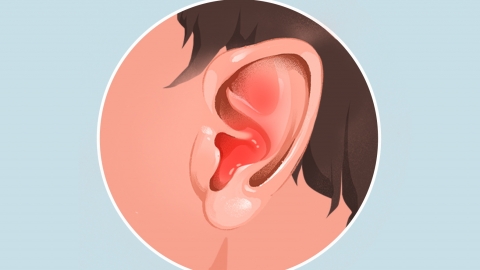
3. External auditory canal furuncle: Bacterial infection of hair follicles in the ear canal leads to inflammation, forming a localized hard nodule with obvious tenderness, redness, and swelling. Severe cases may affect mouth opening. Under medical guidance, patients may use medications such as mupirocin ointment, cefaclor capsules, or ibuprofen sustained-release capsules to relieve symptoms.
4. Otitis externa: Bacterial or viral infection of the ear canal skin causes inflammatory swelling and coagulation of secretions, forming a hard lump accompanied by ear pain and itching. Under medical guidance, treatment may include ofloxacin hydrochloride ear drops, amoxicillin capsules, or Qingre Sanjie tablets to alleviate symptoms.
5. Sebaceous cyst: Blockage of sebaceous gland ducts in the ear canal causes accumulation of sebum, forming a cystic hard mass. It is typically painless unless infected, when redness, swelling, and pain may occur. Under medical advice, patients may use erythromycin ointment, cefixime dispersible tablets, or metronidazole tablets to relieve discomfort.
Maintain clean and dry ear canals, prevent dirty water from entering the ears during bathing, avoid using sharp objects to clean ears, eat a light diet avoiding spicy and irritating foods, monitor changes in the lump regularly, and seek timely treatment when abnormalities occur to maintain ear health.


