


What should I do if my ear hurts when I swallow saliva?

Ear pain when swallowing saliva may be caused by muscle牵拉 during swallowing, ear exposure to cold, acute tonsillitis, otitis media, or external otitis. Symptoms can be improved through minimizing muscle strain, keeping the ears warm, and medical treatment. If the pain persists or worsens, or is accompanied by fever or hearing loss, prompt medical attention is necessary.
1. Muscle牵拉 during swallowing: Frequent or forceful swallowing causes throat muscles to contract and pull on ear-related tissues, resulting in brief episodes of pain. It is recommended to reduce frequent swallowing, avoid large bites, cold drinks, and slow down eating speed to relieve muscle strain.
2. Ear exposure to cold: Inadequate ear warmth leads to cold air irritation, poor local blood circulation, and increased sensitivity of ear nerves during swallowing, causing pain. It is advised to wear earmuffs or hats to keep ears warm and drink warm water to alleviate nerve irritation.
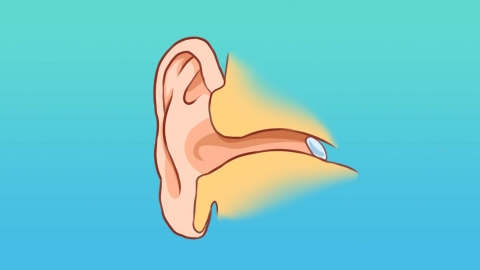
3. Acute tonsillitis: Bacterial or viral infections cause inflammation of the tonsils, which may spread to the Eustachian tube. Swallowing pulls on the inflamed area, leading to ear pain, often accompanied by sore throat and fever. Under a doctor’s guidance, medications such as amoxicillin capsules, Pudilan anti-inflammatory oral liquid, and ibuprofen sustained-release capsules may be used to relieve symptoms.
4. Otitis media: Dysfunction of the Eustachian tube allows bacteria to invade the middle ear, causing inflammation. Changes in middle ear pressure during swallowing stimulate the eardrum, resulting in ear pain, along with ear fullness and mild hearing loss. Patients may use ofloxacin ear drops, cefixime dispersible tablets, or acetaminophen tablets under medical supervision to improve symptoms.
5. External otitis: Bacterial infection causes inflammation of the skin in the external ear canal. During swallowing, throat muscle movements pull on the ear area, aggravating pain at the inflamed site. Symptoms may include ear itching and tenderness when pressing on the tragus. As directed by a physician, medications such as lomefloxacin hydrochloride ear drops, cefaclor capsules, or Qingre Sanjie tablets can help relieve discomfort.
Maintain cleanliness of the throat and ears; avoid digging the ear canal with hands or speaking loudly. Eat a light, easily digestible diet rich in fruits and vegetables, drink plenty of water, and avoid spicy or hard foods that may irritate the area, supporting recovery.


