


What causes tinnitus in the left ear?

Left ear tinnitus may be caused by insufficient sleep, high mental stress, noise exposure, otitis media, Ménière's disease, or other factors. Symptoms can be improved by adjusting sleep habits, relieving emotional stress, avoiding loud noises, and medication. If tinnitus lasts longer than one week or is accompanied by hearing loss or dizziness, prompt medical attention is necessary.
1. Insufficient Sleep: Long-term熬夜 (staying up late) and poor sleep quality can impair blood circulation in the inner ear, leading to intermittent tinnitus in the left ear, which may ease after rest. It is recommended to maintain a regular sleep schedule, ensure 7–8 hours of sleep per night, and avoid using mobile phones or watching TV before bedtime, as these activities may interfere with sleep.
2. High Mental Stress: Prolonged anxiety and tension can disrupt nervous system regulation and trigger tinnitus in the left ear, possibly accompanied by palpitations and insomnia. Emotional relief can be achieved through physical exercise or listening to calming music. Psychological counseling may be sought when necessary to reduce stress.
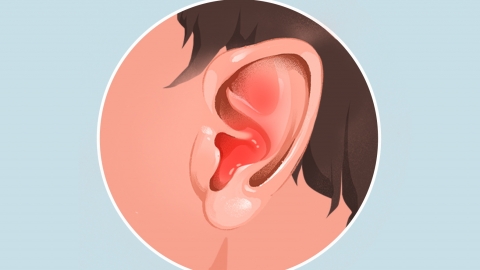
3. Noise Exposure: Prolonged exposure to high-decibel environments or sudden loud noises can damage cochlear hair cells, resulting in persistent tinnitus in the left ear. It is advisable to avoid noisy environments, use earplugs for protection, and avoid prolonged headphone use while keeping volume levels low.
4. Otitis Media: Middle ear inflammation caused by bacterial or viral infections can irritate the eardrum and ossicles, causing tinnitus in the left ear, often accompanied by ear pain and increased ear discharge. Under medical guidance, patients may use medications such as cefaclor capsules, ofloxacin ear drops, and Pudilan anti-inflammatory oral liquid to alleviate symptoms.
5. Ménière's Disease: Abnormal metabolism of inner ear lymph fluid leads to endolymphatic hydrops, causing recurrent tinnitus in the left ear, along with vertigo, hearing loss, and a feeling of ear fullness. Under medical supervision, medications such as betahistine tablets, difenidol tablets, and mecobalamin dispersible tablets may be used to relieve symptoms.
Maintain ear hygiene and avoid frequent ear picking; eat a light diet and reduce spicy or irritating foods; engage in moderate exercise to strengthen the body; maintain regular作息 (daily routines) to prevent fatigue; and minimize harmful ear stimulation to protect hearing.


