


What does it mean when yellow and clear nasal discharge occur together, and what should be done?

Yellow and clear nasal discharge occurring together may be caused by alternating cold and heat stimulation, nasal foreign bodies, acute rhinitis, sinusitis, or upper respiratory tract infections. Symptoms can be improved through保暖 measures, nasal cavity cleansing, and medication. If symptoms persist for more than one week or are accompanied by headache or fever, prompt medical attention is necessary.
1. Alternating Cold and Heat Stimulation: Sudden temperature changes or frequently moving between hot and cold environments can irritate the nasal mucosa, increasing secretions. Initially, there is clear runny nose, which later may mix with small amounts of yellow mucus, accompanied by nasal congestion and itching. It is recommended to adjust clothing according to temperature, avoid frequent exposure to drastic temperature shifts, and wear a mask outdoors to reduce irritation.
2. Nasal Foreign Body: Small particles entering the nasal cavity can irritate the mucosa and trigger inflammation, causing clear discharge. If the foreign body remains, secondary infection may occur, leading to yellow discharge, usually on one side, along with nasal obstruction and foul odor. It is advised to rinse the nasal cavity promptly with saline solution. If the object cannot be removed, seek medical help—do not attempt to dig it out yourself.
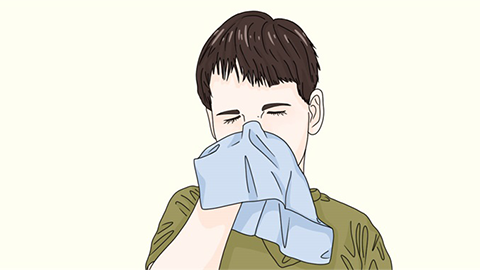
3. Acute Rhinitis: Viral infection causes acute inflammation of the nasal mucosa. Initially, clear nasal discharge occurs, which may turn yellow if secondary bacterial infection develops, accompanied by nasal congestion, sneezing, and sore throat. Under a doctor's guidance, patients may use medications such as oxymetazoline hydrochloride nasal drops, Biyuan Tongqiao Granules, or amoxicillin capsules to relieve symptoms.
4. Sinusitis: Nasal inflammation spreads to the sinuses, causing sinusitis. The sinus mucosa becomes congested and produces pus, resulting in yellow nasal discharge, while the nasal cavity continues to secrete clear mucus. This is often accompanied by symptoms such as headache and reduced sense of smell. It is recommended to use medications under medical supervision, such as budesonide nasal spray, cefixime dispersible tablets, or eucalyptus-citrus pine enteric-coated soft capsules to alleviate discomfort.
5. Upper Respiratory Tract Infection: Combined viral and bacterial infection leads to upper respiratory infection. Inflammation of the nasal and pharyngeal mucosa results in mixed clear and yellow nasal discharge, accompanied by fever, cough, and fatigue. Patients may follow medical advice to take medications such as compound paracetamol and amantadine tablets, Pudilan anti-inflammatory oral liquid, or cefaclor capsules to improve symptoms.
To support recovery, maintain nasal hygiene by rinsing with saline solution, drink plenty of warm water to stay hydrated, eat a light diet avoiding spicy and greasy foods, ensure adequate rest, and ventilate rooms regularly to maintain fresh air circulation.


