


Occasional episodic pain in a nerve on the right ear.
Nov 28, 2025
Source: Cainiu Health

Dr. Lu Cheng
Introduction
Occasional sharp pain in a nerve on the right side of the ear may be caused by mental stress, lack of sleep, external otitis, otitis media, or temporomandibular joint disorder. Symptoms can be improved by relaxing, getting adequate sleep, or medication. If the pain worsens or is accompanied by hearing loss, redness, or swelling, prompt medical attention is necessary. Prolonged anxiety and excessive stress may contribute.
Occasional episodic pain in the nerve of the right ear may be caused by mental stress, lack of sleep, external otitis, otitis media, or temporomandibular joint disorder. Symptoms can be improved through relaxation, adequate sleep, and medication. If pain worsens or is accompanied by hearing loss or swelling, prompt medical attention is necessary.
1. Mental stress: Long-term anxiety and excessive pressure can lead to muscle tension and spasms in the neck and ear area, causing paroxysmal pain that worsens during emotional fluctuations. It is recommended to relax through listening to soothing music or meditation, avoid overexertion, and reduce psychological stress.
2. Sleep deprivation: Chronic late nights and poor sleep quality disrupt nervous system regulation and increase sensitivity of the ear nerves, resulting in intermittent episodic pain. It is advised to maintain a regular sleep schedule, ensure 7–8 hours of sleep daily, and avoid using mobile phones or watching TV before bedtime.
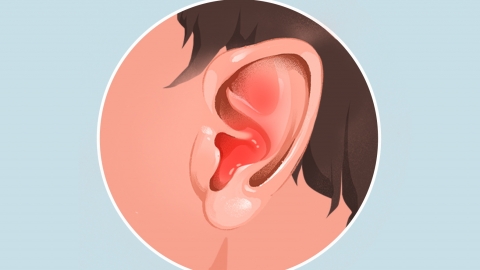
3. External otitis: Damage to the skin of the external auditory canal from ear picking or bacterial infection can trigger local inflammation, leading to ear pain that intensifies when pressing on the tragus or chewing. It is recommended to use medications such as ofloxacin ear drops, cephalexin capsules, and ibuprofen sustained-release capsules under medical guidance to relieve symptoms.
4. Otitis media: Middle ear infections secondary to colds or rhinitis can cause inflammatory stimulation of the eardrum and surrounding tissues, resulting in episodic ear pain, possibly accompanied by ear fullness or mild hearing loss. Patients may use amoxicillin-clavulanate potassium dispersible tablets, phenol glycerin ear drops, or acetaminophen suspension under medical supervision to alleviate discomfort.
5. Temporomandibular joint disorder: Poor chewing habits or joint injury may lead to joint dysfunction, with pain radiating to the ear region as intermittent episodes, particularly noticeable during mouth opening or chewing. Patients may follow medical advice to take diclofenac sodium sustained-release tablets, eperisone hydrochloride tablets, or metronidazole mouthwash to improve symptoms.
Maintain ear hygiene and avoid frequent ear picking; adjust chewing habits by avoiding unilateral biting of hard objects; reduce prolonged periods of head-down posture; eat a light diet avoiding spicy and irritating foods; and keep ears warm to prevent exposure to cold.



